Austin, Texas joins the million people club
See more of our coverage in your search results.
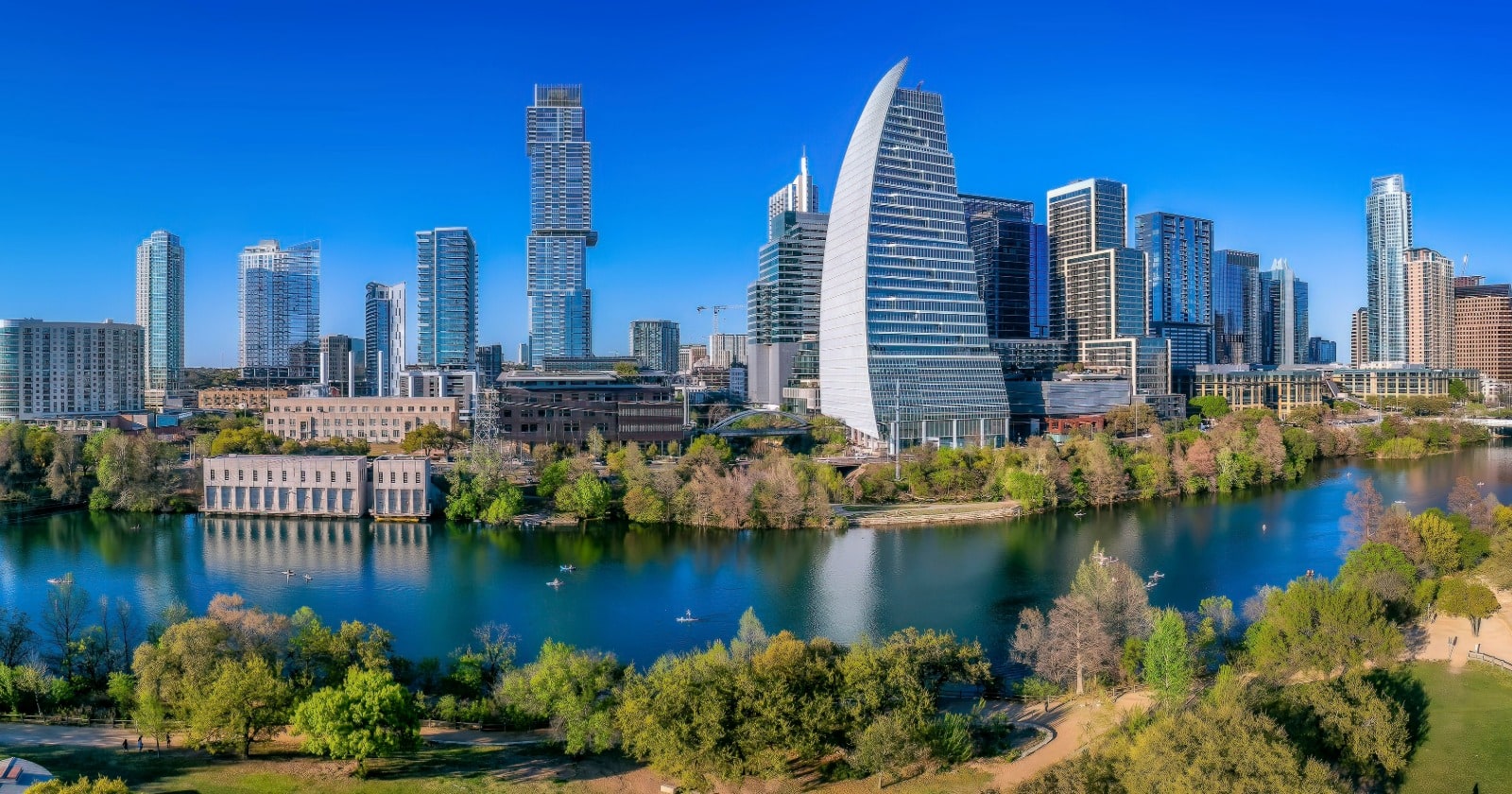
Austin has joined the short list of U.S. cities with at least 1 million people. The U.S. Census Bureau's latest estimates put Austin at 1,002,632 residents on July 1, 2025, up from 998,607 a year earlier, making it the 12th city to pass the mark. New York remains the largest by far, with 8,584,629 people, though it lost 12,196 residents during the year, the biggest drop of any city in the top 50.
Los Angeles is second at 3,869,089, followed by Chicago at 2,731,585 and Houston at 2,397,315. Texas has six of the 25 largest cities, more than any other state, and five of the 12 cities over 1 million. San Jose, at 989,814, is the next closest to the mark.
The fastest growth among big cities was in the South. Charlotte added 20,731 people, more than any other city in the top 50, for a 2.2 percent gain. Fort Worth added 19,512 and San Antonio 14,359. Since the 2020 census, Fort Worth has grown 11.9 percent, the most of any of the 50 largest cities, ahead of Miami at 10.8 percent and Charlotte at 10.3 percent.
Fifteen of the 50 largest cities lost population between 2024 and 2025, including Los Angeles, Dallas, Denver, Boston, and Memphis, which lost 4,575. Since 2020, San Francisco has shrunk 6.0 percent, the steepest decline in the top 50, though it gained 5,134 people in the last year.
| Rank | City | Population, 2025 | Change from 2024 | Percent change |
|---|---|---|---|---|
| 1 | New York, New York | 8,584,629 | −12,196 | −0.1% |
| 2 | Los Angeles, California | 3,869,089 | −3,621 | −0.1% |
| 3 | Chicago, Illinois | 2,731,585 | +5,253 | +0.2% |
| 4 | Houston, Texas | 2,397,315 | +11,515 | +0.5% |
| 5 | Phoenix, Arizona | 1,665,481 | +3,157 | +0.2% |
| 6 | Philadelphia, Pennsylvania | 1,574,281 | +1,546 | +0.1% |
| 7 | San Antonio, Texas | 1,548,422 | +14,359 | +0.9% |
| 8 | San Diego, California | 1,406,106 | +5,874 | +0.4% |
| 9 | Dallas, Texas | 1,329,491 | −1,808 | −0.1% |
| 10 | Fort Worth, Texas | 1,028,117 | +19,512 | +1.9% |
| 11 | Jacksonville, Florida | 1,017,689 | +8,319 | +0.8% |
| 12 | Austin, Texas | 1,002,632 | +4,025 | +0.4% |
| 13 | San Jose, California | 989,814 | +1,983 | +0.2% |
| 14 | Charlotte, North Carolina | 964,784 | +20,731 | +2.2% |
| 15 | Columbus, Ohio | 938,396 | +7,696 | +0.8% |
| 16 | Indianapolis, Indiana | 901,116 | +1,842 | +0.2% |
| 17 | San Francisco, California | 826,079 | +5,134 | +0.6% |
| 18 | Seattle, Washington | 784,777 | +11,572 | +1.5% |
| 19 | Denver, Colorado | 740,613 | −978 | −0.1% |
| 20 | Nashville, Tennessee | 721,074 | +9,244 | +1.3% |
| 21 | Oklahoma City, Oklahoma | 719,849 | +6,104 | +0.9% |
| 22 | Washington, District of Columbia | 693,645 | +2,335 | +0.3% |
| 23 | El Paso, Texas | 683,012 | −2,219 | −0.3% |
| 24 | Las Vegas, Nevada | 679,817 | +4,665 | +0.7% |
| 25 | Boston, Massachusetts | 672,973 | −1,338 | −0.2% |
| 26 | Detroit, Michigan | 649,095 | +5,060 | +0.8% |
| 27 | Louisville, Kentucky | 641,962 | +773 | +0.1% |
| 28 | Portland, Oregon | 635,109 | +707 | +0.1% |
| 29 | Memphis, Tennessee | 609,647 | −4,575 | −0.7% |
| 30 | Baltimore, Maryland | 569,997 | −56 | 0.0% |
| 31 | Milwaukee, Wisconsin | 562,407 | −915 | −0.2% |
| 32 | Albuquerque, New Mexico | 556,588 | −2,290 | −0.4% |
| 33 | Fresno, California | 555,549 | +474 | +0.1% |
| 34 | Tucson, Arizona | 548,371 | −2,262 | −0.4% |
| 35 | Sacramento, California | 536,449 | +1,615 | +0.3% |
| 36 | Atlanta, Georgia | 529,110 | +8,350 | +1.6% |
| 37 | Kansas City, Missouri | 521,220 | +4,681 | +0.9% |
| 38 | Mesa, Arizona | 513,656 | −1,133 | −0.2% |
| 39 | Raleigh, North Carolina | 506,306 | +7,289 | +1.5% |
| 40 | Colorado Springs, Colorado | 494,743 | +2,288 | +0.5% |
| 41 | Miami, Florida | 489,812 | +6,393 | +1.3% |
| 42 | Omaha, Nebraska | 488,797 | −450 | −0.1% |
| 43 | Virginia Beach, Virginia | 453,737 | −26 | 0.0% |
| 44 | Long Beach, California | 450,469 | −1,106 | −0.2% |
| 45 | Oakland, California | 440,838 | +665 | +0.2% |
| 46 | Minneapolis, Minnesota | 430,324 | +199 | 0.0% |
| 47 | Bakersfield, California | 422,165 | +2,821 | +0.7% |
| 48 | Tulsa, Oklahoma | 416,209 | +27 | 0.0% |
| 49 | Tampa, Florida | 413,554 | +573 | +0.1% |
| 50 | Aurora, Colorado | 410,053 | +1,728 | +0.4% |
The figures cover each city's legal boundaries, not its metro area. That is why Jacksonville, which merged with its county in 1968, ranks 11th, while Atlanta, whose metro area is one of the country's largest, ranks 36th with 529,110 people. Indianapolis, Nashville, and Louisville are shown here as the bureau reports them, the consolidated city minus the separate towns inside each county.
The 2024 numbers in the table come from the bureau's newest series, which revises earlier years, so they may differ from figures published last year. For the biggest city in each state, see the largest city in every state and the second-largest.
Sources
U.S. Census Bureau, Vintage 2025 population estimates for incorporated places, July 1, 2024, and July 1, 2025. Changes since 2020 are measured from the April 1, 2020, estimates base.
Add CensusEasy as a preferred source on Google to see our stories first.
 GENERAL
Millennials are still America's largest generation, with Gen Z close behind
The U.S. had about 73.1 million millennials and 72.2 million members of Gen Z in 2025, based on Census Bureau estimates by age. Baby boomers, at 66.6 million, are now third.
 GENERAL
New home sales held near 676,000 in September as builders trimmed inventory
New single-family home sales ran at a 676,000 annual rate in September, little changed from August. The median price was $400,400, and the supply of homes for sale fell 1 percent.
 GENERAL
Election night results show that Americans hate data centers
Voters in 35 communities from Ohio to California sided against data centers on Election Day, most by wide margins, even as Census Bureau figures show data center construction nearly doubling in a year.
What is the largest city in the US by population?
New York is the largest U.S. city, with 8,584,629 residents on July 1, 2025, according to Census Bureau estimates. Los Angeles is second at 3,869,089, followed by Chicago at 2,731,585 and Houston at 2,397,315.
How many US cities have more than 1 million people?
Twelve U.S. cities had at least 1 million residents in 2025. Austin became the 12th when its population reached 1,002,632. San Jose, at 989,814, is the next closest. Texas has five of the 12.
Which big US cities are growing the fastest?
Among the 50 largest cities, Charlotte added the most people between 2024 and 2025, 20,731, followed by Fort Worth with 19,512. Since 2020, Fort Worth has grown 11.9 percent, the most in the top 50.