
Decline

The Fastest-Shrinking Cities in America
The fastest-shrinking large cities split into two very different stories: people priced out of the expensive coasts, and the long structural decline of the South and Midwest. Here is why you shouldn't read them as the same trend.
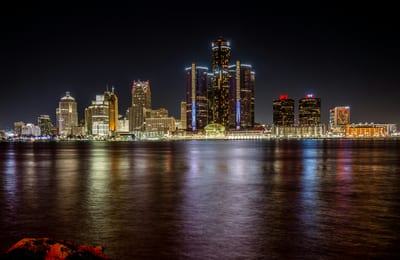
How Detroit Lost Half Its Population, and Why It Is Finally Growing Again
Detroit had more than a million residents in 1990 and 1.85 million at its 1950 peak. By 2024 it had fallen to 638,000, one of the steepest urban declines in American history. But the latest Census numbers show something that has not happened in 70 years: the population went up.

The Poorest Cities in America: What the Census Data Actually Shows
The federal poverty rate for the United States sits at around 12%. The cities on this list are running at two to three times that figure, and most of them have been for decades. These are not cities that hit a rough patch. They are places where concentrated poverty has been the structural reality for a generation or more, driven by deindustrialization, population loss, disinvestment, and the compounding effects of each of those forces on the next...
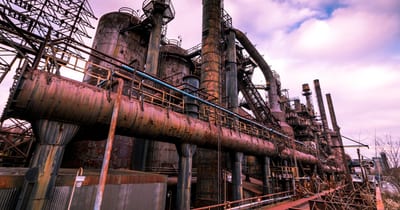
Black Monday and What Followed: How Youngstown, Ohio Lost Two Thirds of Its Population
On the morning of September 19, 1977, workers at the Youngstown Sheet and Tube Campbell Works showed up for their shifts and were told the plant was closing. More than 5,000 people lost their jobs that day. Locals called it Black Monday, and the name stuck because what happened next made clear it wasn't just a plant closure. It was the beginning of a decades-long collapse that would cut the city's population by more than half and leave behind one of the most striking examples of urban decline in American history...