The second-largest city in every state
See more of our coverage in your search results.
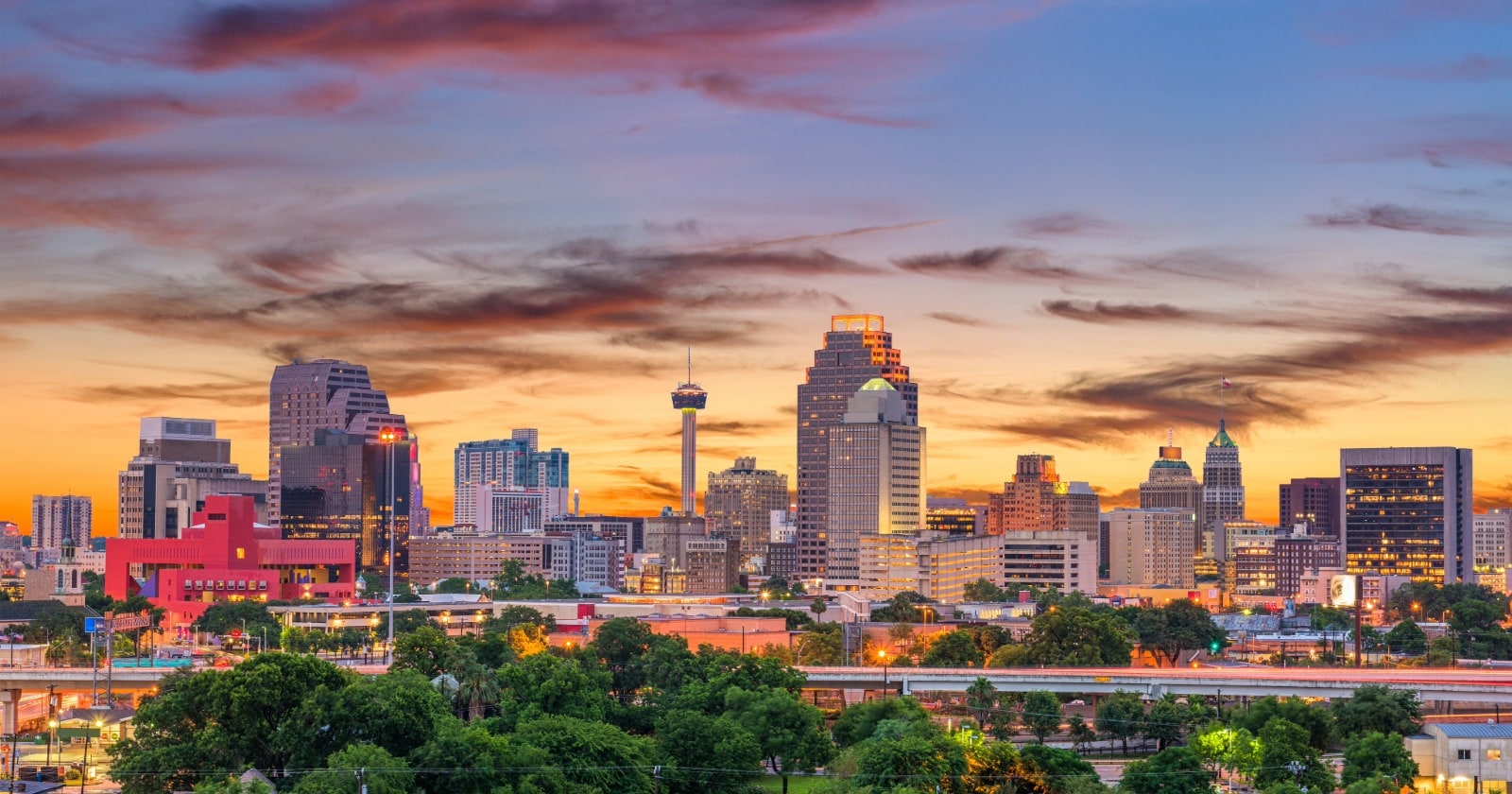
San Antonio has 1.5 million people. It is the second-largest city in Texas, and it would be the largest city in 44 of the other 49 states.
Second cities are a strange category. Some are enormous places that just happen to share a state with something bigger. Others are towns you could walk across in an afternoon.
| Rank | Second-largest city | Population |
|---|---|---|
| 1 | San Antonio, Texas | 1,548,422 |
| 2 | San Diego, California | 1,406,106 |
| 3 | Memphis, Tennessee | 609,647 |
| 4 | Tucson, Arizona | 548,371 |
| 5 | Raleigh, North Carolina | 506,306 |
| 6 | Colorado Springs, Colorado | 494,743 |
| 7 | Miami, Florida | 489,812 |
| 8 | Tulsa, Oklahoma | 416,209 |
| 9 | Cleveland, Ohio | 363,608 |
| 10 | Henderson, Nevada | 353,289 |
| 11 | Lexington, Kentucky | 329,751 |
| 12 | Pittsburgh, Pennsylvania | 307,632 |
| 13 | St. Paul, Minnesota | 306,684 |
| 14 | Jersey City, New Jersey | 302,013 |
| 15 | Lincoln, Nebraska | 301,522 |
| 16 | Madison, Wisconsin | 286,233 |
| 17 | St. Louis, Missouri | 278,144 |
| 18 | Fort Wayne, Indiana | 275,203 |
| 19 | Buffalo, New York | 274,613 |
| 20 | Chesapeake, Virginia | 255,332 |
| 21 | Spokane, Washington | 230,783 |
| 22 | Baton Rouge, Louisiana | 222,795 |
| 23 | Worcester, Massachusetts | 213,862 |
| 24 | Overland Park, Kansas | 203,677 |
| 25 | Columbus, Georgia | 202,171 |
| 26 | Grand Rapids, Michigan | 201,183 |
| 27 | Mobile, Alabama | 200,824 |
| 28 | Salem, Oregon | 181,779 |
| 29 | Aurora, Illinois | 181,505 |
| 30 | Columbia, South Carolina | 147,035 |
| 31 | Meridian, Idaho | 142,988 |
| 32 | Stamford, Connecticut | 139,535 |
| 33 | Cedar Rapids, Iowa | 137,935 |
| 34 | West Valley City, Utah | 137,491 |
| 35 | Las Cruces, New Mexico | 116,978 |
| 36 | Fayetteville, Arkansas | 106,623 |
| 37 | Nashua, New Hampshire | 92,435 |
| 38 | Frederick, Maryland | 92,059 |
| 39 | Cranston, Rhode Island | 84,647 |
| 40 | Rapid City, South Dakota | 80,589 |
| 41 | Missoula, Montana | 78,903 |
| 42 | Bismarck, North Dakota | 77,963 |
| 43 | Gulfport, Mississippi | 76,506 |
| 44 | Casper, Wyoming | 58,771 |
| 45 | East Honolulu, Hawaii | 51,360 |
| 46 | Huntington, West Virginia | 44,815 |
| 47 | Dover, Delaware | 40,592 |
| 48 | Lewiston, Maine | 38,866 |
| 49 | Juneau, Alaska | 31,609 |
| 50 | South Burlington, Vermont | 21,394 |
The runners-up that outrank almost everyone
San Antonio and San Diego are the two giants of this list, and both are in the national top ten by population while ranking second at home. Texas and California are simply large enough to contain multiple major cities, which most states aren't.
Florida produces the most misleading entry. Miami shows up as the state's second city at 489,812, behind Jacksonville, which sounds wrong to anyone who has been to both. The explanation is municipal boundaries: Jacksonville merged with its county in 1968 and covers an enormous area, while the city of Miami is a small core inside a metro of more than six million. City limits and lived reality diverge more in Florida than almost anywhere.
Cleveland is the other entry worth pausing on. It was the seventh-largest city in America in 1950 and is now the second-largest in Ohio, behind Columbus. That's not Columbus surging past a steady rival; it's Cleveland losing more than half its peak population, a decline we traced in how the Rust Belt lost its factory jobs.
Several second places are nearly ties. Columbus, Georgia, edges Augusta by 172 people, 202,171 to 201,999. Juneau leads Fairbanks by 141, Cranston leads Warwick by 460, and Spokane leads Tacoma by 967. Salem passed Eugene in the 2025 estimates and is ahead by 3,161. In Alabama, Huntsville is now the largest city, and Mobile, at 200,824, is second, ahead of Birmingham at 195,893.
And the small ones
At the other end, several states have second cities that would be considered towns almost anywhere else. South Burlington, Vermont has 21,394 residents. Juneau, Alaska has 31,609. Lewiston, Maine has 38,866, Dover, Delaware 40,592, and Huntington, West Virginia 44,815.
These are states where one city dominates and nothing else comes close, usually because the state is small, rural, or both. Vermont's largest city, Burlington, has only about 44,000 people itself, so the drop-off to number two is short but starts from a low ceiling.
There's a pattern in which states have close races and which have blowouts. Fast-growing Sun Belt states tend to have several substantial cities competing, because their growth happened recently and spread across multiple metros. Older and smaller states usually have one center that captured everything early.
The full national ranking of every city is at largest cities by population.
Sources
Population figures are U.S. Census Bureau Vintage 2025 population estimates for incorporated places and equivalents. Hawaii has no incorporated cities, so its entry is East Honolulu, a census-designated place, using the 2020-2024 American Community Survey. In Maryland, Frederick is the second-largest incorporated city; Columbia, an unincorporated community, has more people, 104,338 in the 2020-2024 survey. Cities are ranked within their own state, and consolidated city-county governments are counted as the Census Bureau reports them, which includes merged county territory.
Add CensusEasy as a preferred source on Google to see our stories first.
 GENERAL
Black household income rises 76% since 1967, but dollar gap with White households widens
Census figures back to 1967 show Black median household income up 76.2 percent after inflation, to $59,980. The ratio to non-Hispanic White income narrowed, but the gap in dollars grew to $36,730.
 GENERAL
These U.S. counties have the highest housing vacancy rates, but they're not abandoned
Sixty-one percent of housing in Summit County, Colorado is vacant. That's Breckenridge, not a ghost town. Every county at the top of the vacancy list is a vacation destination.
 GENERAL
The area codes with the most people
Hawaii's 808 is the most populous area code covering a whole state, with 1.43 million residents. Arizona averages 1.5 million people per code. Here is every state's area codes and residents per code.
What is the largest second city in any state?
San Antonio, Texas, with about 1.55 million residents, is the largest city that ranks second in its own state. San Diego, California is close behind at roughly 1.41 million. Both rank in the national top ten by population despite not being the biggest city in their states.
Why is Miami only Florida's second-largest city?
It comes down to municipal boundaries. Jacksonville merged with Duval County in 1968 and covers a very large area, so its city population is bigger. The city of Miami is a relatively small core within a metro area of more than six million people, so its city limits understate the size of the region.
Which state has the smallest second-largest city?
Vermont, where South Burlington has 21,394 residents. Juneau, Alaska follows at 31,609, then Lewiston, Maine at 38,866 and Dover, Delaware at 40,592. These are states where a single city dominates and no other population center comes close.