College groups warn Census proposed 2030 plan could miss international students and H-1B faculty
See more of our coverage in your search results.
The American Council on Education and 18 other higher-education groups have asked the Census Bureau to withdraw its proposed rules for the 2030 census. They warn that international students and foreign-born faculty could be left out of the count in college towns. In comments dated October 15 and announced October 19, the groups said the change could produce "a negative and unrealistic count of the true population of our communities," especially at schools with on-campus housing and large numbers of international students.
The proposal, published in the Federal Register on September 10, would leave two groups out of the count used to divide House seats: "illegal aliens and aliens whose legal status is less durable and indefinite in length than lawful permanent resident status." Green-card holders would still be counted. The bureau also asked for comments on which other forms of legal status are "materially similar" to permanent residence, and the rule does not say where student and work visas fall.
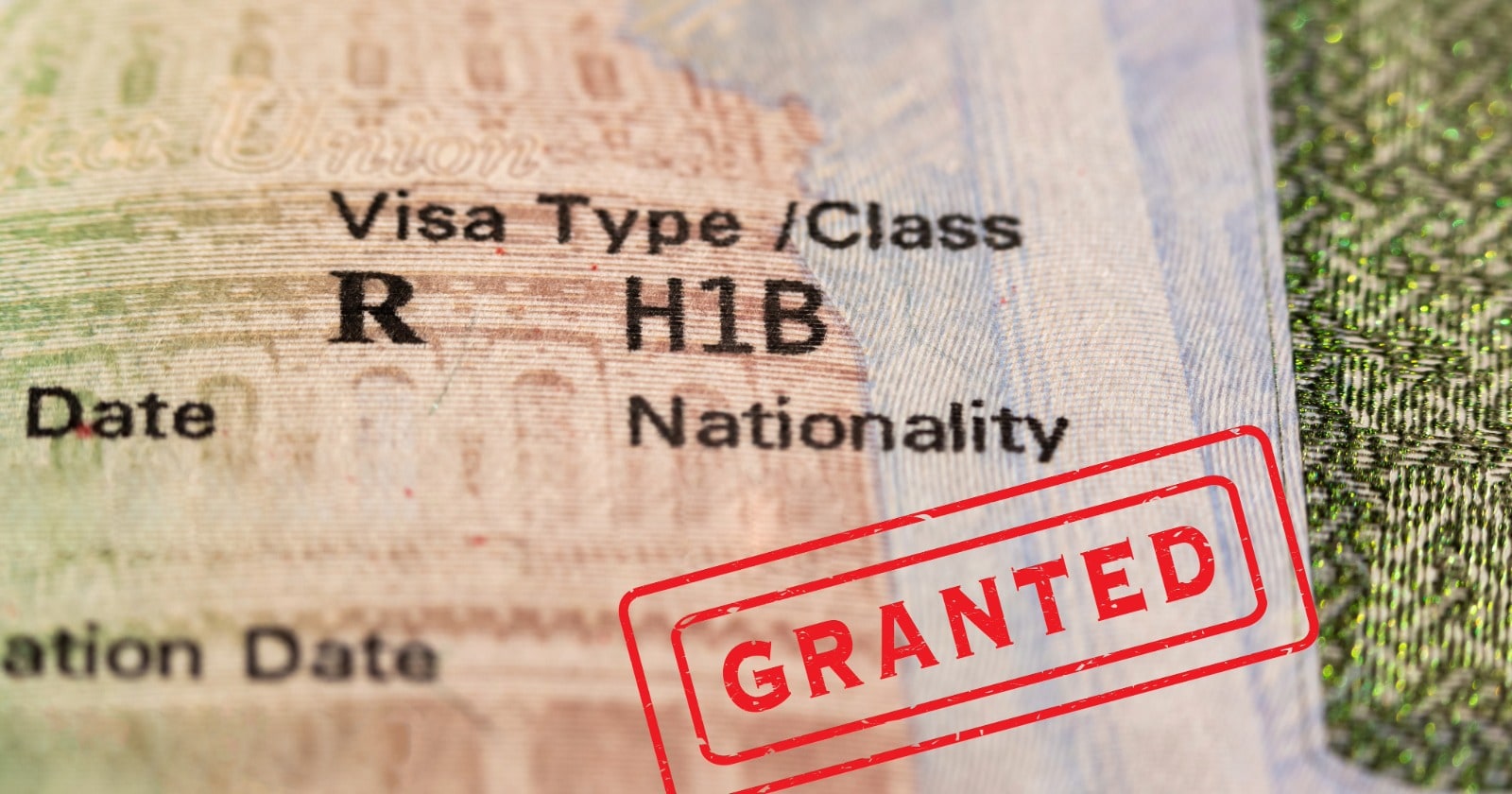
The letter cites a September 28 Congressional Research Service report, which found the exclusion could reach "some persons lawfully present." The associations said that could mean faculty and scholars on H-1B visas, along with international students living on campus, would not be counted.
The groups also oppose the proposal's second part, which would bar questions about race, ethnicity, and sexual orientation from the census short form and any questionnaire used for the count. The letter notes that the census has collected race and ethnicity information since the first count in 1790, and says dropping the questions would make it harder to track trends, since new results would not match earlier ones. Our look at what removing census questions would cost covers that side of the rule.
Colleges use census numbers to see which areas are growing or shrinking, to match programs to local job needs, and to track how many people are moving away, according to the letter, which was signed by ACE President Ted Mitchell. The other signers include NAFSA: Association of International Educators, the American Association of Community Colleges, the Association of Public and Land-grant Universities, and the Hispanic Association of Colleges and Universities.
"The Decennial Census must remain a fair, accurate, inclusive, and trusted count of the people living in the United States," the groups wrote. If the bureau keeps the rule, they want it substantially revised with input from colleges and a longer comment period.
College towns are where the count would be felt most. In Ames, Iowa, home to Iowa State University, 43.1 percent of residents are enrolled in college or graduate school, the highest share of any U.S. city with at least 50,000 people, according to the U.S. Census Bureau's 2020-2024 American Community Survey. Bloomington, Indiana, is next at 40.9 percent, followed by College Station, Texas, at 40.1 percent. Nationwide, the share is 6.6 percent.
| Rank | City | Residents in college or grad school | Share of residents | Noncitizen share |
|---|---|---|---|---|
| 1 | Ames, IA | 28,671 | 43.1% | 7.7% |
| 2 | Bloomington, IN | 31,982 | 40.9% | 8.3% |
| 3 | College Station, TX | 48,544 | 40.1% | 8.3% |
| 4 | Provo, UT | 43,263 | 39.1% | 8.9% |
| 5 | Ann Arbor, MI | 42,972 | 36.0% | 11.0% |
| 6 | Gainesville, FL | 50,972 | 35.7% | 6.4% |
| 7 | Chapel Hill, NC | 21,533 | 35.5% | 8.2% |
| 8 | Davis, CA | 22,694 | 34.5% | 10.0% |
| 9 | Iowa City, IA | 25,337 | 34.2% | 6.9% |
| 10 | Normal, IL | 17,319 | 33.2% | 4.3% |
The survey also counts noncitizens. That group includes green-card holders, who would still be counted under the proposal, along with students and workers on temporary visas and people without legal status. The survey does not break noncitizens out by visa type. Even so, several college towns run well above the national noncitizen share of 6.8 percent. In Champaign, Illinois, home to the University of Illinois, 11.6 percent of residents are not citizens. In Ann Arbor, Michigan, the share is 11.0 percent.
The groups had asked for more time to comment, and the Commerce Department pushed the deadline from October 13 to November 2. ACE said almost 80,000 comments had been filed when it announced its letter. By October 22, the public docket showed 95,405. Tribal leaders and the Cleveland City Council have also come out against the proposal, and our earlier story tracks the comments and the legal fight. The census has counted noncitizens since the first one in 1790.
Sources
American Council on Education, "ACE, Higher Ed Groups Warn Census Proposal Could Undercount Campus Communities," October 19, 2026, and the associations' comment letter of October 15, 2026. U.S. Department of Commerce, proposed rule, Federal Register document 2026-18481, docket USBC-2026-0628; the comment count is from the Federal Register's Regulations.gov data as of October 22, 2026. Enrollment and citizenship figures are from the U.S. Census Bureau's American Community Survey 5-year estimates for 2020-2024, tables B14001 and B05001. Enrollment share is residents enrolled in undergraduate or graduate school as a share of the population age 3 and older; noncitizen share uses total population. The ranking covers incorporated and census-designated places with at least 50,000 residents.
Add CensusEasy as a preferred source on Google to see our stories first.
 GENERAL
Where do the most Peruvian Americans live?
About 781,000 Americans are of Peruvian origin. Florida has the most, but the highest concentrations are in northern New Jersey, led by Kearny at 10.3 percent.
 GENERAL
Liam was the most popular boy name of the past 10 years
From 2016 through 2025, 202,601 baby boys were named Liam, more than any other name. Noah and Oliver round out the top three, while Henry climbed from 22nd to fifth.
 GENERAL
How big is every state capital?
Phoenix is the largest state capital, at about 1.67 million people, and Montpelier, Vermont, the smallest, at about 7,800. Just 17 capitals are the biggest city in their state.
What does the 2030 census proposal change?
It would leave people in the country illegally, and noncitizens whose status is less lasting than a green card, out of the count used to divide House seats. It would also bar questions on race, ethnicity, and sexual orientation from the census form.
Why are colleges worried about the census proposal?
The American Council on Education and 18 other groups say international students and faculty on H-1B visas could be left out. That would undercount college towns, where in some cities more than a third of residents are enrolled in college or graduate school.
When is the deadline to comment on the census proposal?
The Commerce Department extended the comment period from October 13 to November 2, 2026. Comments go to docket USBC-2026-0628 on Regulations.gov, which showed 95,405 comments as of October 22, up from almost 80,000 when ACE announced its letter.