Cleveland City Council formally opposes the 2030 census plan to exclude some immigrants
See more of our coverage in your search results.
The Cleveland City Council on Monday adopted a resolution opposing the Trump administration's proposed changes to the 2030 census, after members warned that excluding some immigrants from the count could cost the city federal money and political representation, cleveland.com reported.
The proposed rule from the U.S. Department of Commerce and the U.S. Census Bureau would leave residents who are not U.S. citizens or lawful permanent residents out of the population used to divide House seats. It would also drop questions about race, ethnicity, and sexual orientation and change how the bureau decides where people live.
"I think that this is probably one of the most egregious things I've seen this administration do," Council President Blaine Griffin said during the council's Finance, Diversity, Equity and Inclusion committee meeting. "I don't even know how you do a census without trying to collect this type of data."
Councilman Charles Slife said eliminating demographic data could make discrimination harder to identify. "My opinion on that is that the federal government feels they can't be accused of discrimination and racism if there's no data to support it," he said.
Councilwoman Stephanie Howse-Jones, who sponsored the resolution, said the goal was to put the city's opposition on the record in the federal rulemaking process. A resolution is not legislation. Her presentation to the committee said the rule would exclude undocumented immigrants, refugees, asylum seekers, international students, and temporary workers from the apportionment count. The rule would also replace the census's long-standing "usual residence" standard with one based on where a person lawfully spent the most days between January 3 and April 1, using tax and administrative records.
The rule would not remove everyone born abroad from the count. In the 2020-2024 American Community Survey, Cleveland had 23,075 foreign-born residents, 6.3 percent of its population. Of those, 11,734 were not U.S. citizens, about 3.2 percent of the city. That figure includes green card holders, whom the rule would still count; the survey does not separate them out. In Cuyahoga County, 36,903 residents were noncitizens, 3.0 percent of the county.
International migration has been the county's only source of growth. In the year ending July 1, 2025, Cuyahoga County gained 4,273 people from international migration, according to Census Bureau estimates. It lost 4,235 to moves elsewhere in the U.S. and 777 more from deaths outnumbering births, for a net loss of 689. The county has lost population every year since 2020, but the annual losses have shrunk from 15,660 in 2020-21.
Joe Cimperman, president of Global Cleveland, called the proposal an "erasure" of immigrants, refugees, and international students. He told cleveland.com that accurate counts show whether efforts to attract residents are working and what services the city needs, from police staffing to child care. "If we're doing well, we need to know. If we're not, we need to know," Cimperman said. "And you don't know that unless you count everybody."
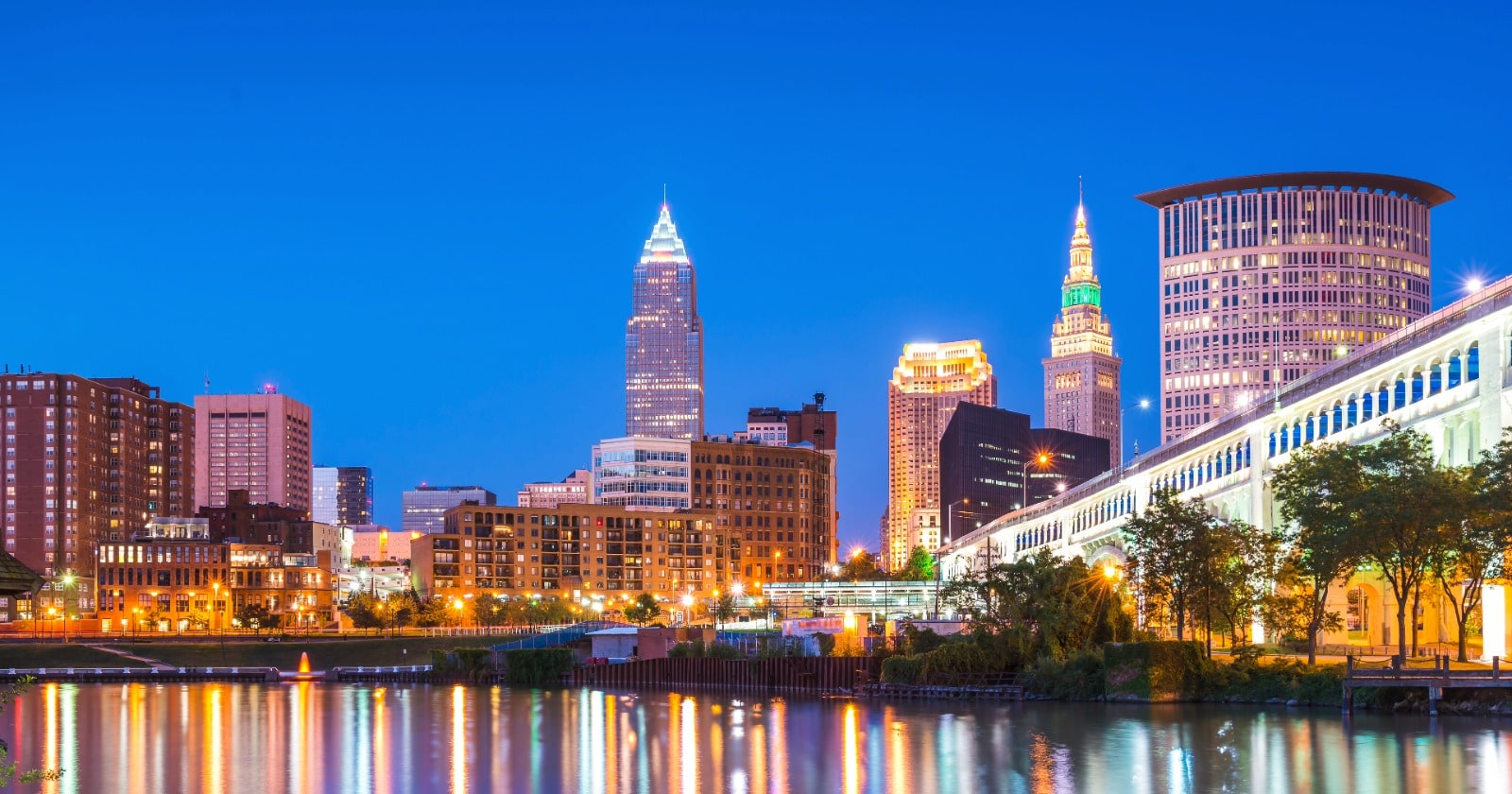
Cleveland, Ohio's second-largest city, had an estimated 363,608 residents in 2025, down from 505,616 in 1990. The city joins New York officials who have formed a task force against the proposal, and tribal leaders who say it would erase data on Native communities.
The public comment period on the rule runs through November 2. The federal docket listed 88,474 comments as of October 21, up from about 55,900 on October 13, when we reported on the expected legal fight. Every census since 1790 has counted noncitizens in the apportionment total.
Sources
cleveland.com, "Excluding immigrants from census could leave Cleveland undercounted and underfunded, officials say," by Hannah Drown. Census Bureau proposed rule (Federal Register, September 10, 2026); comment count from docket USBC-2026-0628 as reported by the Federal Register on October 21. Foreign-born and citizenship figures are from the 2020-2024 American Community Survey, tables B05001 and B05002. County components of change are from the bureau's Vintage 2025 county estimates, and the city's 2025 population from its Vintage 2025 city estimates.
Add CensusEasy as a preferred source on Google to see our stories first.
 GENERAL
Where do the most Peruvian Americans live?
About 781,000 Americans are of Peruvian origin. Florida has the most, but the highest concentrations are in northern New Jersey, led by Kearny at 10.3 percent.
 GENERAL
Liam was the most popular boy name of the past 10 years
From 2016 through 2025, 202,601 baby boys were named Liam, more than any other name. Noah and Oliver round out the top three, while Henry climbed from 22nd to fifth.
 GENERAL
How big is every state capital?
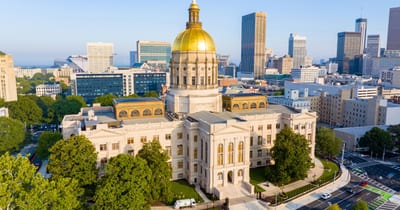
Phoenix is the largest state capital, at about 1.67 million people, and Montpelier, Vermont, the smallest, at about 7,800. Just 17 capitals are the biggest city in their state.
Why does Cleveland oppose the 2030 census proposal?
Cleveland City Council members said excluding some immigrants from the count could reduce federal funding, weaken the city's representation, and erase data on fast-growing communities. Council adopted a resolution opposing the rule on October 19, 2026.
How many immigrants live in Cleveland?
Cleveland had 23,075 foreign-born residents, 6.3 percent of its population, in the 2020-2024 American Community Survey. Of those, 11,734 were not U.S. citizens, a group that includes green card holders the rule would still count.
Is Cuyahoga County's population growing?
No, but the losses have shrunk. Cuyahoga County lost 689 people in the year to July 2025, compared with 15,660 in 2020-21. It gained 4,273 from international migration, nearly offsetting moves out and more deaths than births.