
Tribal leaders say the 2030 census plan would erase Native data, and the consultation was rushed
See more of our coverage in your search results.
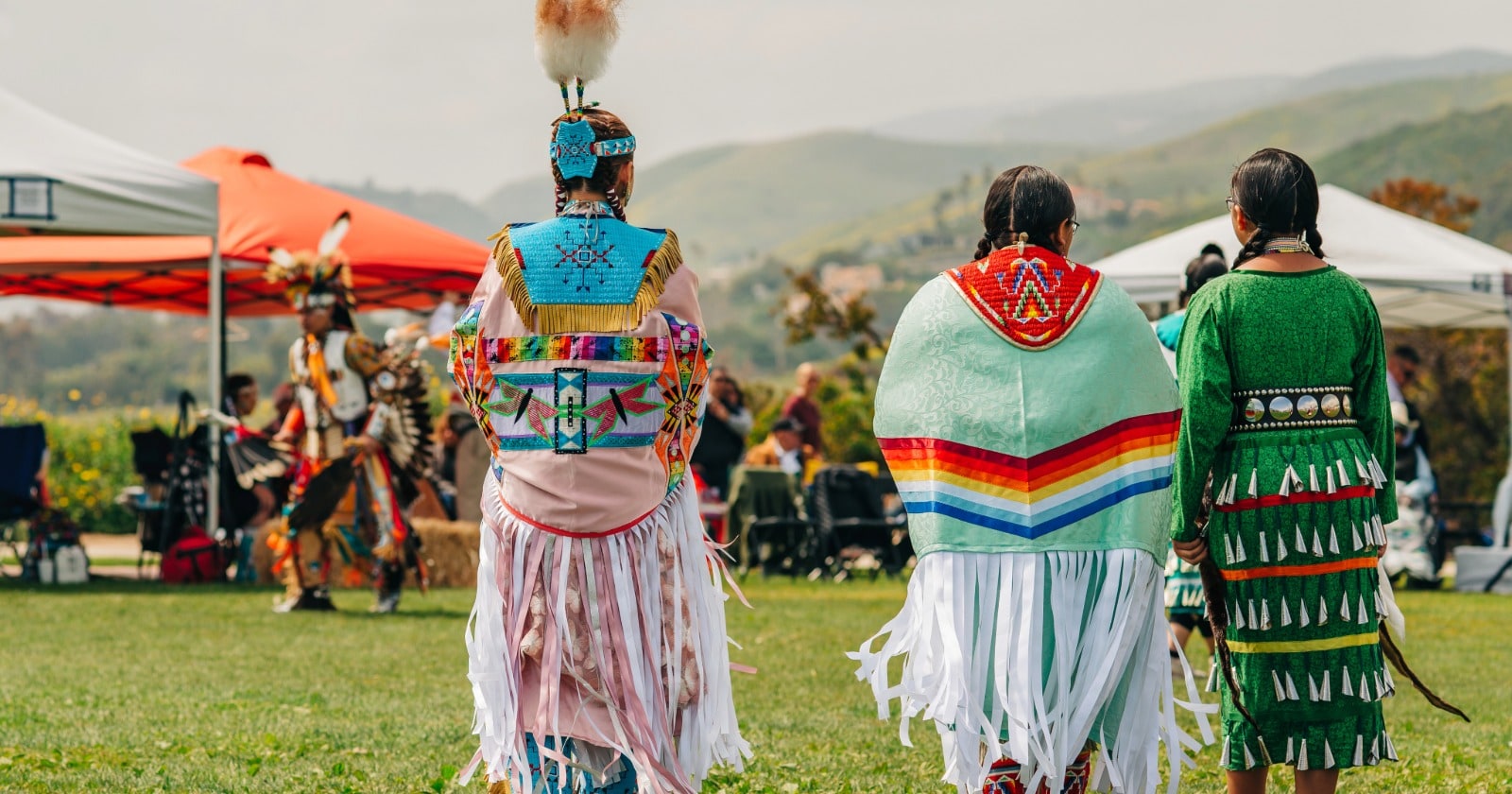
Tribal leaders are pushing back on the Trump administration's proposed changes to the 2030 census, saying the plan to drop race and ethnicity questions would erase a key source of data on American Indians and Alaska Natives and was rushed through a two-week consultation, Native News Online reported.
The proposed rule, published September 10, would bar questions about race, ethnicity, and sexual orientation from the census questionnaire. It would also count only U.S. citizens and lawful permanent residents in the population totals used to divide House seats. The National Congress of American Indians said Native communities already face chronic undercounting and persistent underinvestment.
"Federal appropriations are dependent on Census Counts," said Aaron Payment, who serves on the tribal council of the Sault Ste. Marie Tribe of Chippewa Indians and on NCAI's executive committee. "Eliminating tribally related questions, can only disadvantage federal appropriations to tribes."
Leaders of the Stockbridge-Munsee Band of Mohican Indians in Wisconsin told the bureau, "We urge the Census to reject this proposal." They said dropping the questions would take away the federal government's tools for identifying Native communities and could put those communities at greater risk.
The 2020 census already missed Native people living on reservations at a higher rate than any other group. The U.S. Census Bureau's Post-Enumeration Survey found a statistically significant undercount of 5.64 percent for American Indians and Alaska Natives on reservations. In the 2020-2024 American Community Survey, about 8.0 million people, 2.4 percent of the U.S. population, identified as American Indian or Alaska Native alone or in combination with another race. About 3.1 million reported that race alone.
A two-week consultation
The bureau held a virtual tribal consultation on October 2, open to citizens of federally and state recognized tribes by invitation. Its event page says it gave two weeks' notice instead of the standard 30 days it aims for, "in order to ensure that it is able to meet all of the operational deadlines in advance of the 2030 Census as well as its obligations in the ongoing lawsuits related to the 2020 Census."
Tribal leaders said the process was rushed and that they did not consider the call a formal consultation. Not every tribal nation on the call got a chance to speak, they said. Many asked the bureau to hold formal consultations and to leave any changes for the 2040 census instead.
The proposed rule itself says the bureau "plans to formally notify federally recognized and state recognized tribes and conduct a tribal consultation regarding the proposed regulations." In a footnote, it also says that "Questions about tribal membership are not necessarily questions about race and/or ethnicity," but it does not say whether the census would ask about tribal membership.
The census has asked about race since the first count in 1790, a history we traced in how census race categories changed. Our coverage of what dropping the race question would cost looks at the laws and funding formulas that rely on it.
The public comment period, originally set to close October 13, was extended to November 2 in a Federal Register notice published October 5. The rule had drawn more than 55,000 comments by October 13, as we reported in our story on the comment count and expected legal fight.
Sources
Native News Online, "Tribal Leaders Oppose Proposed Census Changes, Warn of Harm to Native Communities." U.S. Census Bureau, tribal consultation event page for October 2, 2026. Proposed rule (Federal Register, September 10, 2026) and comment period extension (October 5, 2026). Undercount figure from the Census Bureau's 2020 Post-Enumeration Survey release. Population figures from the 2020-2024 American Community Survey, tables B02010 and B02001.
Add CensusEasy as a preferred source on Google to see our stories first.
 GENERAL
Lottery ticket sales nearly doubled to $104.7 billion, and states now keep 33 cents of each dollar
State lottery sales rose from $52.8 billion in fiscal 2008 to $104.7 billion in 2024, Census data show. Prizes grew 118 percent, so states kept 33 percent of sales, down from 39 percent.
 GENERAL
The fastest-gentrifying places in America are small towns, not big cities
Triana, Alabama, went from 499 residents to 3,964 in a decade, and its bachelor's share nearly doubled. Across 6,646 places, 11 of the 12 fastest-gentrifying are towns under 20,000 people.
 GENERAL
Business applications hit a September record, and hiring plans ticked up for the first time this year
Americans filed 534,947 business applications in September, the most for any September since 2004. Applications with planned wages rose for the first time in 2026, and Missouri jumped 22.1 percent.
Why do tribal leaders oppose the 2030 census proposal?
The proposal would remove race and ethnicity questions, which tribal leaders say are a key source of data on American Indians and Alaska Natives. They say federal funding for tribes depends on census counts and that Native communities are already undercounted.
Did the Census Bureau consult tribes on the proposed rule?
The bureau held a virtual tribal consultation on October 2, 2026, with two weeks' notice instead of its standard 30 days. Tribal leaders said the process was rushed and did not count as a formal consultation.
How badly were Native Americans undercounted in the 2020 census?
The Census Bureau's Post-Enumeration Survey found a statistically significant undercount of 5.64 percent for American Indians and Alaska Natives living on reservations, the highest of any group measured.