
The world's population of people 65 and older will nearly double by 2060

See more of our coverage in your search results.
The Census Bureau published An Aging World: 2025 on August 31. It projects the share of the world population aged 65 and over rising from 10.5% in 2025 to 19.6% in 2060, and reports that people 65 and older outnumbered children under 5 for the first time in recorded history and it occurred at some point between 2020 and 2025.
The United States ranked 48th oldest out of 227 countries in 2025, with 18.9% of its population aged 65 or over. By 2060 that share is projected to reach 23.4%, and the country is expected to fall to 110th place.
Japan was the oldest country in 2025 at 29.7%. South Korea is projected to take that position by 2060 at 41% of the population being 65 or older.
Several US counties are already past those marks
The national figures cover over an enormous internal range. Applying the report's benchmarks to American Community Survey county data, a dozen US counties with at least 50,000 residents have already passed Japan's 2025 29.7% share.
| County | Aged 65+ | Population |
|---|---|---|
| Sumter County, FL | 57.7% | 143,408 |
| Charlotte County, FL | 40.5% | 201,064 |
| Sarasota County, FL | 37.5% | 459,547 |
| Citrus County, FL | 36.5% | 162,472 |
| Yavapai County, AZ | 34.1% | 245,480 |
| Brunswick County, NC | 33.8% | 152,568 |
| Barnstable County, MA | 33.1% | 231,668 |
Sumter County, Florida, which contains The Villages, is 57.7% aged 65 and over. That is roughly double Japan's current share and well beyond the 41% the report projects for South Korea in 2060. Sumter has 143,408 residents, so the figure does not come from a small-sample county.
Eight of the twelve counties past Japan's mark are in Florida. The rest are in Arizona, North Carolina, Massachusetts and Tennessee. These are all retirement destinations.
No state has crossed the 23.4% the US is projected to hit in 2060. Maine leads at 22.4%, followed by Vermont at 21.4% and Florida at 21.3%.
The health findings
The report separates life expectancy from healthy life expectancy, and projects the former rising faster than the latter. In the United States the proportion of years lived in full health after age 60 fell by more than 2 percentage points between 2000 and 2019, with a slightly larger decline for men than women.
An estimated 73% of Americans aged 65 or older had two or more chronic conditions between 2016 and 2019. Alzheimer's disease and other dementias ranked among the top five causes of death worldwide for people 60 and over as of 2021.
On costs, the report projects government health spending across OECD countries rising by an average 2.6% of GDP over the next decade, against average revenue growth of 1.3% of GDP.
Other findings: unpaid family and friend caregiving remains the main source of long-term care worldwide, and in many OECD countries three of every five caregivers aged 50 and over are women. Public pensions replace more than 90% of average wages in Brazil, Turkey, the Netherlands and Argentina, and about 50% in the United States, Canada, India, New Zealand, Japan and South Africa. South Korea's old-age poverty rate ran above 40% in 2015 and 2020, while Norway, the Netherlands and Hungary stayed below 10%.
Africa is projected to hold more people aged 65 and over than Europe by 2060, 249 million against 214 million, despite being the youngest region. Europe's own share is projected to rise from 21% to 30.8%.
This is the sixth edition of An Aging World, a series the Census Bureau first published in 1987. All six were commissioned by the National Institute on Aging's Division of Behavioral and Social Research. Our own coverage of the US median age record is in America's record median age, and the state breakdown is in the oldest and youngest states.
Sources
Global projections, health findings, pension and caregiving figures are from the U.S. Census Bureau report An Aging World: 2025 (CB26-TPS.49, August 31, 2026), which draws on the bureau's International Database, the OECD, the World Bank, the International Labour Organization and the Health and Retirement survey family. County and state shares are CensusEasy figures from the American Community Survey 5-year estimates, which put the national 65-and-over share at 17.2% against the report's 18.9% from the International Database, a difference of source and vintage rather than of measurement.
Add CensusEasy as a preferred source on Google to see our stories first.
 GENERAL
Black household income rises 76% since 1967, but dollar gap with White households widens
Census figures back to 1967 show Black median household income up 76.2 percent after inflation, to $59,980. The ratio to non-Hispanic White income narrowed, but the gap in dollars grew to $36,730.
 GENERAL
These U.S. counties have the highest housing vacancy rates, but they're not abandoned
Sixty-one percent of housing in Summit County, Colorado is vacant. That's Breckenridge, not a ghost town. Every county at the top of the vacancy list is a vacation destination.
 GENERAL
The area codes with the most people
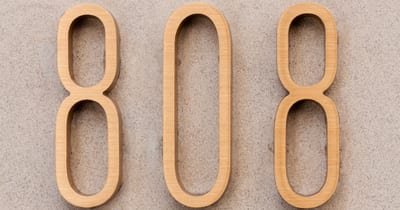
Hawaii's 808 is the most populous area code covering a whole state, with 1.43 million residents. Arizona averages 1.5 million people per code. Here is every state's area codes and residents per code.
How much older will the world get by 2060?
The Census Bureau projects the share of the world population aged 65 and over rising from 10.5% in 2025 to 19.6% in 2060, close to double. The report also finds that people 65 and older outnumbered children under 5 for the first time in recorded history between 2020 and 2025.
Which country is the oldest?
Japan was the oldest country in 2025, with 29.7% of its population aged 65 or over. South Korea is projected to take that position by 2060, reaching 41%. The United States ranked 48th oldest of 227 countries in 2025 at 18.9%, and is projected to fall to 110th by 2060 even as its own share rises to 23.4%.
Which US county has the highest share of older adults?
Sumter County, Florida, home to The Villages, where 57.7% of the population is aged 65 or over. That is roughly double Japan's current share and above the 41% projected for South Korea in 2060. A dozen US counties with at least 50,000 residents already exceed Japan's 29.7%, eight of them in Florida.