The Census Bureau has lost 19% of its full-time staff since January 2025
See more of our coverage in your search results.
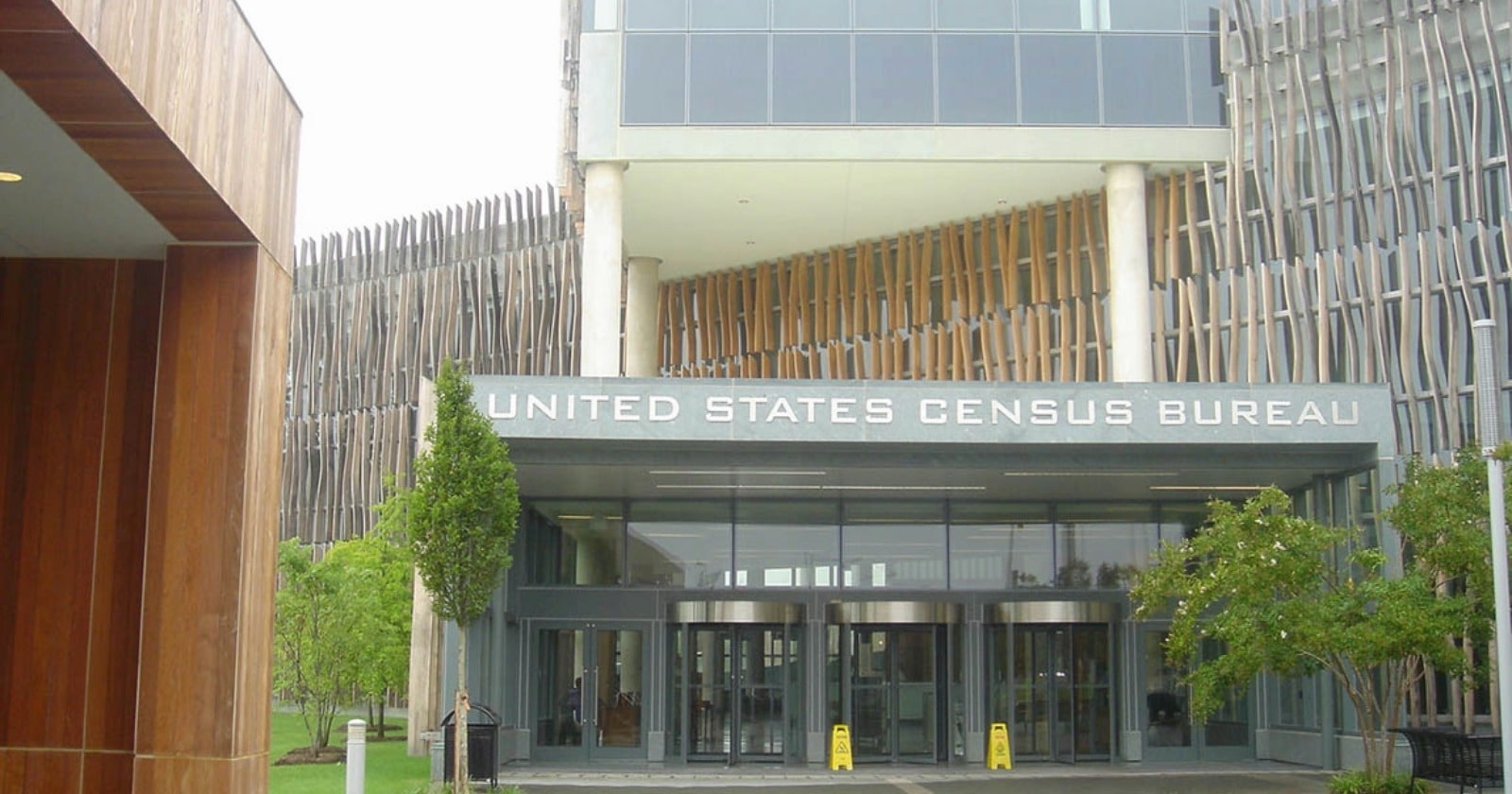
The Census Bureau has lost 19 percent of its full-time staff since January 2025, a drop of 1,139 positions, according to an analysis of federal personnel data by the Center on Budget and Policy Priorities, a left-leaning research group in Washington. The report, published November 12, covers January 2025 through August 2026.
The losses weren't limited to support jobs. Full-time Census Bureau staff in social science occupations, which include economists and demographers, fell by the same 19 percent. The Bureau of Labor Statistics lost 19 percent of its full-time staff, or 364 positions.
All 13 of the government's principal statistical agencies lost staff, CBPP found, with most losing between one-fifth and one-third of their full-time workers.
| Agency | Full-time staff lost, January 2025 to August 2026 |
|---|---|
| Census Bureau | 19% (1,139 positions) |
| Bureau of Labor Statistics | 19% (364 positions) |
| USDA Economic Research Service | 35% |
| National Agricultural Statistics Service | 39% |
| Social Security Administration | 13% (more than 7,400 positions) |
| Institute of Education Sciences, social science and statistics staff | 89% (55 positions) |
| CDC, social science and statistics staff | 27% (more than 200 positions) |
The Institute of Education Sciences, which tracks how schools and students are doing, was hit hardest. It has seven full-time social science and statistics staff left. Senior leadership thinned across the board: all but one of the 13 agencies lost at least 10 percent of their top career managers, the Senior Executive Service. The exception, the Bureau of Economic Analysis, lost 6 percent.
The Census Bureau's work reaches further than most people realize. Its counts decide how many House seats each state gets and steer more than $1.5 trillion a year in federal spending, CBPP noted. The bureau is also supposed to be ramping up testing for the 2030 census, and this year's field test was cut from six sites to two, according to Count of Counting, a census newsletter.
The staffing figures are part of a broader set of concerns in the report. CBPP pointed to the Commerce Department's order banning a standard privacy method, which delayed this year's American Community Survey release by about six weeks, and to the proposed 2030 census rule that would leave many noncitizens out of the count used to divide House seats.
The numbers come with a caveat. Federal personnel data don't identify every statistical agency on its own, so for 8 of the 13 agencies, CBPP reported figures for the smallest larger office that contains them. The Census Bureau and BLS are among the five agencies the data show directly. In August, we reported that six statistical agencies had lost at least a third of their staff, based on American Statistical Association figures.
Sources
Center on Budget and Policy Priorities, "Interference With and Weakening of Statistical Agencies Threaten Nation's Data, Mask Harms of Administration Policies, and Undermine Evidence-Based Policymaking," November 12, 2026, based on U.S. Office of Personnel Management workforce data released as of July 16, 2026. Mike Schneider, Count of Counting, November 17, 2026.
Add CensusEasy as a preferred source on Google to see our stories first.
 GENERAL
How many professional athletes are there in the US?
The Bureau of Labor Statistics counts about 15,070 athletes and sports competitors on U.S. payrolls, with a median salary of $66,710. Coaches and scouts outnumber them more than 16 to 1.
 GENERAL
Is that Census Bureau call, letter, or visit real? How to check
The Census Bureau runs more than 100 surveys and contacts millions of households a year. Here's how to verify a call, letter, email, text, or visitor, and the phone numbers the bureau actually uses.
 GENERAL
The Portland metro area is growing again after losing people in 2021 and 2022
The Portland metro area had 2,542,282 residents in 2025, the 26th largest in the U.S. It has grown three years in a row as moves out of the region slowed.
How many employees has the Census Bureau lost?
The Census Bureau's full-time staff fell 19 percent from January 2025 to August 2026, a loss of 1,139 positions, according to a Center on Budget and Policy Priorities analysis of federal personnel data.
Which statistical agency lost the most staff?
The Institute of Education Sciences lost 89 percent of its full-time social science and statistics staff, leaving seven. Among whole agencies, USDA's National Agricultural Statistics Service lost 39 percent and the Economic Research Service 35 percent.
Why do Census Bureau staff cuts matter?
Census data decide how many House seats each state gets and guide more than $1.5 trillion a year in federal spending. The bureau is also preparing for the 2030 census, which depends on testing and planning now.