
Stories
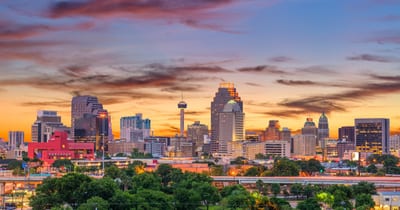
The second-largest city in every state
San Antonio is only the second-biggest city in Texas, and it would be the largest in 44 of the other 49 states. Second cities range from 1.5 million people down to 21,394.

The US cities where most people rent
About 35% of American households rent. In Union City, New Jersey, 80.9% do. Eight of the twelve most renter-heavy cities are in New Jersey, and every city over 500,000 people has a renter majority.

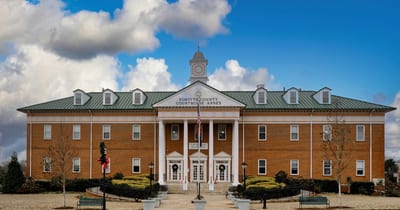
Forsyth County went from 99% white to 1 in 7 residents Indian American
Forsyth County, Georgia was 98.6% non-Hispanic white in 1990. Indian Americans now make up 14.0% of the county, the second-highest share of any large US county.


Where do the most Dominican Americans live?
About 2.42 million Americans are of Dominican origin, and nearly half live in the New York metro. Lawrence, Massachusetts, is majority Dominican, at 52.3 percent.

Construction spending rose in August as office building closed in on factories
Construction spending ran at a $2,203.1 billion annual rate in August, up 0.9 percent from July but down 1.7 percent from a year earlier. Office construction, which includes data centers, is now $20.0 billion behind manufacturing.

Where do the most Israeli Americans live?
About 147,400 Americans report Israeli ancestry. California and New York have nearly identical numbers, and Los Angeles County has more than any other county.
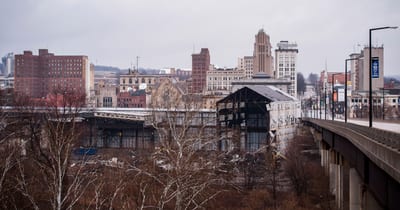
The poorest cities in America, and why Ohio keeps showing up
Youngstown, Ohio, has the lowest median household income of any city with 50,000 or more people, at $34,408. Ten of the bottom 15 are in Ohio, Michigan, and Indiana.

Where do the most Arab Americans live?
About 2.26 million Americans report Arab ancestry. California has the most, but Dearborn, Michigan, where 46.4 percent of residents are Arab American, has the highest share of any city.

US parents gave $26.6 billion to grown children who moved out
About 2.6 million parents gave $26.6 billion in 2024 to 3.7 million adult children living elsewhere, new Census Bureau data show. The typical giver handed over $4,725, and givers were more likely to be men, employed, and college educated.
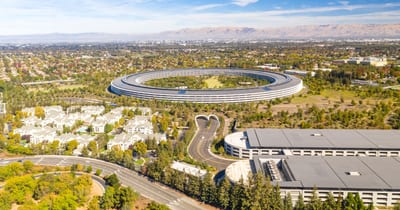
The richest cities in America, and why half of the top 50 are in California
Sammamish, Washington, has the highest median household income of any city with 50,000 or more people, at $239,690. Ten of the top 15 are in the Bay Area.

Texas and Colorado drove most of this year's rise in US local governments
The US had 91,780 governments in 2026, up 291 from 2025. Special districts grew by 312 while every other type held flat or shrank, and Texas and Colorado accounted for 254 of the net gain.

New Jersey is America's densest state
Population density by state, from the Northeast corridor down to Alaska, plus which states have crowded up the fastest since 1990. Nevada nearly tripled and Florida added the most people per square mile.

New home sales rose in August as July's slump shrank on revision
New single-family home sales ran at a 684,000 annual rate in August. The gain is within the margin of error, but July's reported 10.5 percent drop was revised to about 4 percent, and Midwest sales jumped 85 percent.

Detroit has the highest unemployment rate among large US cities
Among big cities, unemployment runs from 14.0 percent in Detroit to 2.5 percent in Sioux Falls. California's farm counties carry the highest county rates in the country.
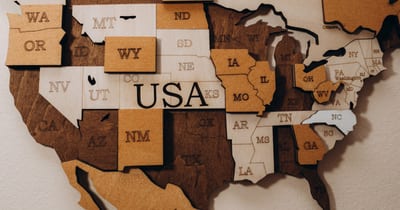
The largest city in every state
The biggest city in one state can be 190 times the size of the biggest in another. New York tops the list at 8.6 million; Vermont's largest, Burlington, has 44,019. The most populous city in all 50 states and DC.
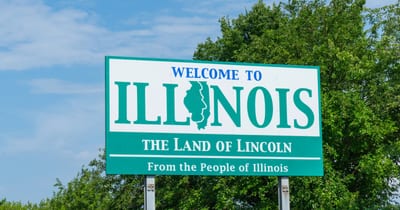
Illinois population: 12.7 million people, and only 18 counties still growing
Illinois had 12,719,141 residents in 2025, down about 93,000 since the 2020 census. Cook County is shrinking while Kendall County, southwest of Chicago, grew 10 percent.

OpenAI agents accessed Census and SEC websites in activity the company is now reviewing
OpenAI is reviewing what it calls misaligned model activity after its agents accessed public Census Bureau and SEC data. The company says it found no use of credentials and no access to nonpublic information.

Hispanic population by state: California leads, New Mexico is nearly half Hispanic
The U.S. has 64.8 million Hispanic residents, 19.3 percent of the population. California, Texas, and Florida hold more than half, and the fastest growth since 2010 has been in North Dakota and Tennessee.

How the census has counted race since 1790, and the 2030 plan to stop
Every census since 1790 has recorded race, but the groups on the form have changed decade by decade. Mexican was a race for one census, people chose their own race only from 1960, and multiple races arrived in 2000.
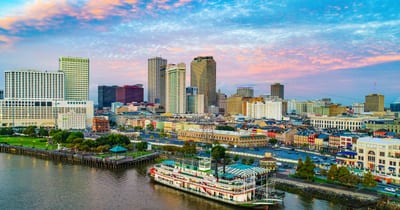
New Orleans demographics: two decades after Katrina
New Orleans had 362,154 residents in 2025, about 135,000 fewer than in 1990. The city is majority Black, more educated than ever, and still has one in five homes vacant.

Senator Elizabeth Warren demands Commerce explain why it dropped its ban on political interference in census data
Sen. Elizabeth Warren wants Commerce Secretary Howard Lutnick to explain why the department removed, without announcement, 'protection from inappropriate influence' from the scientific integrity policy covering the Census Bureau.