Which Cities Have Become Less Diverse Since 2000?

See more of our coverage in your search results.
The United States as a whole has become steadily more diverse since 2000. But a handful of individual cities have moved in the opposite direction, becoming less diverse rather than more. The mechanism is almost always the same: gentrification. When higher-income, disproportionately white households move into historically Black or Hispanic urban neighborhoods, they can shift the racial composition of a city in a direction that runs counter to the national trend. The Census data makes these cases visible, and they are some of the most politically charged demographic stories in America.
It is worth being precise about what "less diverse" means here. A city becomes less diverse when its population concentrates toward one group, reducing the balance among groups. In the cities below, that has generally meant a rising white share in cities that were previously majority-minority, driven by the in-migration of affluent residents into formerly lower-income neighborhoods of color.
Washington, DC: the clearest case
No major American city has seen its racial composition shift more dramatically through gentrification than Washington, DC. For decades DC was known as "Chocolate City," a majority-Black city that was a center of Black political and cultural life. That is no longer an accurate description. According to the UCLA Civil Rights Project, in the city's most rapidly gentrifying census areas, the white population increased from approximately 5% in 2000 to just under 50% by 2015.
The citywide numbers tell the same story more gradually. DC's Black population, which exceeded 60% in 2000, has fallen below 45% today, while the white share has risen substantially. The transformation was driven by the in-migration of affluent, largely white professionals into neighborhoods like Shaw, Columbia Heights, and the H Street corridor that had been predominantly Black for generations. DC became more integrated at the neighborhood level in some respects, but the city as a whole became less Black and, in the specific sense of moving away from its longstanding majority-Black identity, arguably less diverse in character even as the raw mix of groups shifted.
Denver: Hispanic displacement
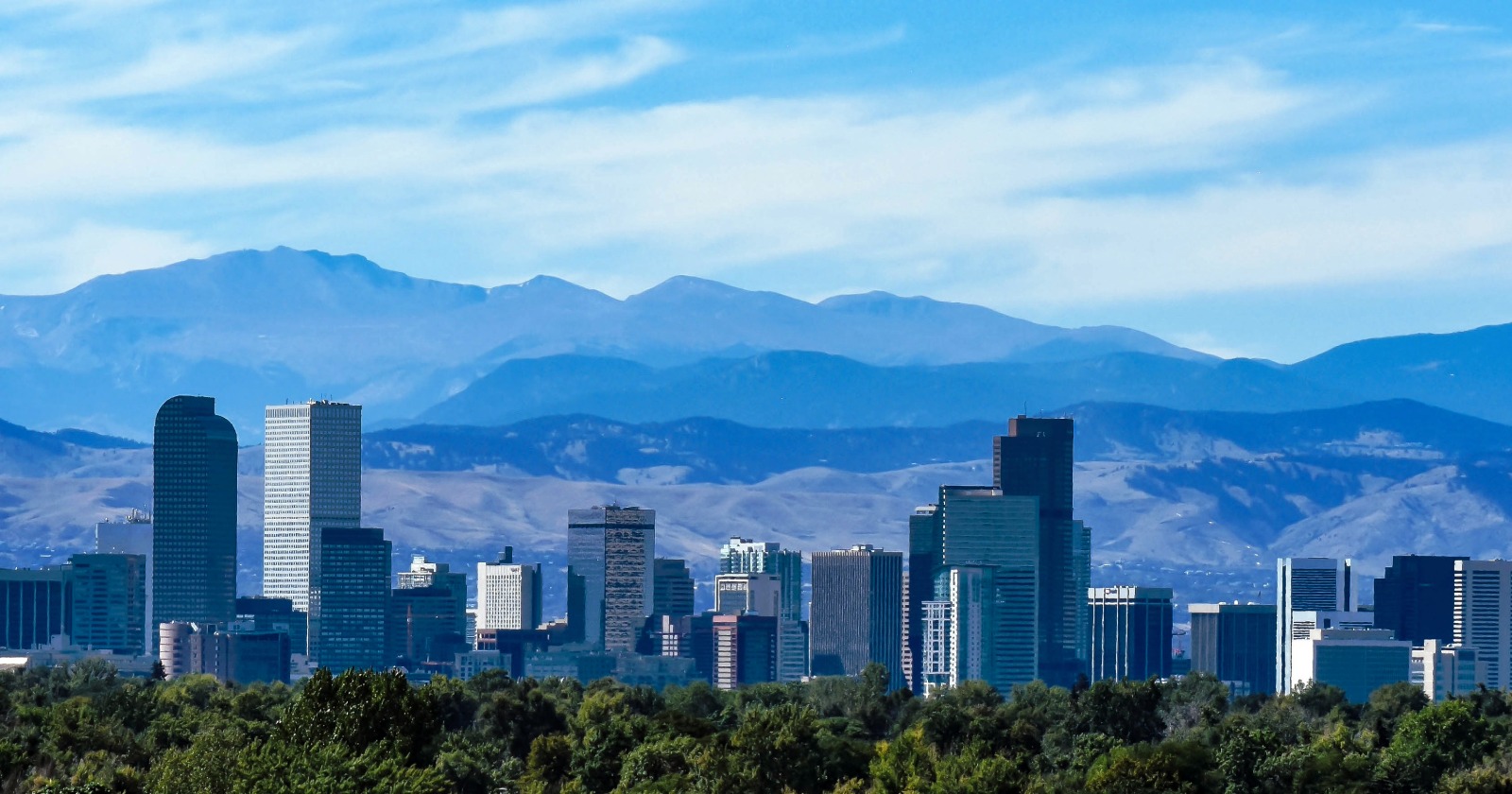
Denver is the clearest case of a city becoming less diverse through the displacement of Hispanic residents specifically. According to a Washington Post analysis of Census data, in 2000 Denver's Hispanic population was booming, having jumped 64% while the white population had nearly flatlined. Over the following two decades that reversed dramatically: by 2020, the explosion of white residents in Denver had outpaced the rate of Hispanic growth sixfold.
According to the same Washington Post analysis citing a 2019 National Community Reinvestment Coalition study, Denver has seen more displacement of its Hispanic residents, on average, than any other major US city. Neighborhoods like the historically Hispanic Highland and Five Points areas saw rapid demographic turnover as rising home prices pushed out longtime residents and drew in higher-income, largely white newcomers. The result is a city that became less diverse as its Hispanic share fell and its white share climbed.
New Orleans: the post-Katrina shift
New Orleans presents a unique case because its demographic shift was triggered by catastrophe rather than gradual market forces. Hurricane Katrina in 2005 displaced hundreds of thousands of residents, and the recovery that followed did not restore the city's prior racial composition. According to the Washington Post, the city's Black population has dipped to about 54% according to the 2020 Census, down from roughly 67% before Katrina.
Many displaced Black residents, particularly those from the hardest-hit and lowest-income neighborhoods, were never able to return, while the rebuilding process drew in newcomers who were disproportionately white and higher-income. Neighborhoods that sat on higher ground, like Tremé, saw their demographics shift even though they were less physically damaged, as their relative safety from flooding made them more attractive to incoming residents. New Orleans is less Black today than it was in 2000, and the change was accelerated by a disaster that functioned as a demographic reset.
San Francisco and the Bay Area
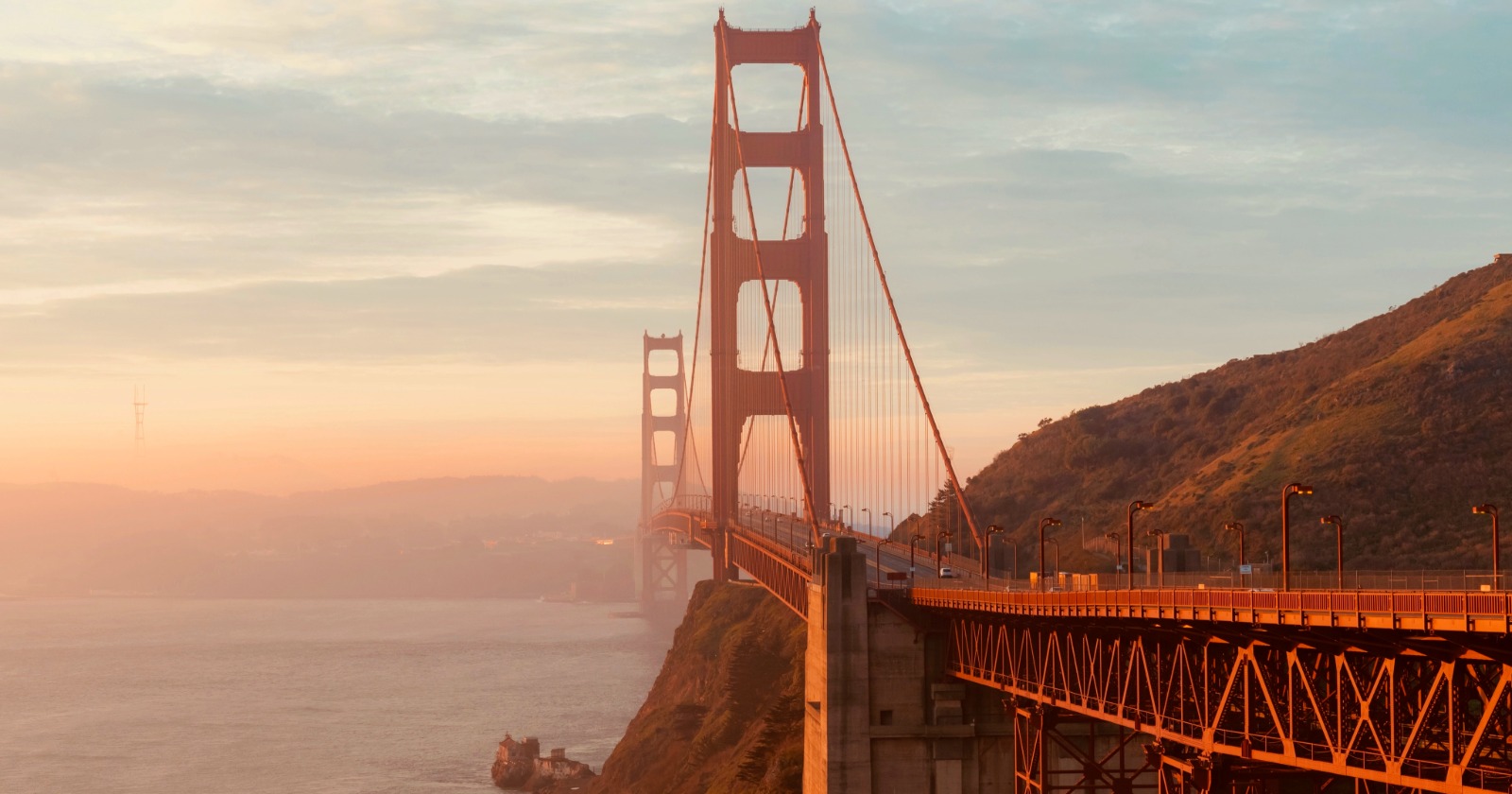
San Francisco and neighboring Oakland have seen their Black populations decline sharply since 2000, driven by the extraordinary cost of housing in the tech-boom era. San Francisco's Black population, which was already small, has fallen to under 5% of the city, and the city's historically Black Fillmore and Bayview neighborhoods have seen significant demographic turnover. Oakland, long one of the most prominent majority-minority cities in the country and a center of Black political and cultural history, has seen its Black share fall from roughly 35% in 2000 to under 24% today as the tech wealth of the broader Bay Area priced out lower-income residents.
The Bay Area case is distinct from DC and Denver in that the displacement was driven less by a single group moving in and more by the sheer cost of housing pushing lower-income residents of all backgrounds, but especially Black residents, out of the urban core entirely. The destinations were the more affordable inland suburbs and, increasingly, other states entirely.
The national context: why these cities are exceptions
It is important to understand how unusual these cities are against the national backdrop. According to Brookings, since 2000, racial minorities have comprised 95% of US population growth and 98% of growth in the nation's 100 largest metropolitan areas. The overwhelming national trend is toward more diversity, not less. The cities that became less diverse did so by swimming against that current, through the specific mechanism of affluent in-migration into urban neighborhoods of color.
According to the National Community Reinvestment Coalition's analysis of gentrification, among majority-Black neighborhoods that underwent gentrification, nearly half were no longer majority-Black by 2020. The year 2000 was an inflection point after which gentrification accelerated, generating some of the most intense demographic changes of any metropolitan area in the US over the past two decades.
The distinction between city and metro
One crucial nuance: many of these cities became less diverse at the city level while their surrounding metros became more diverse. The residents displaced from gentrifying urban cores did not disappear. They moved to the suburbs. According to the Russell Sage Foundation Journal, white suburbanization has slowed or even declined since 2000 in some metro areas, partly as a result of white gentrification of urban neighborhoods and movement away from diversifying suburbs.
So a city like Washington, DC can become whiter while its suburbs in Prince George's County and northern Virginia become more diverse, as the Black and Hispanic households priced out of the city relocate outward. The city-level diversity decline and the metro-level diversity increase are two sides of the same process: the geographic redistribution of who lives where, driven by housing costs and income inequality across racial lines.
What the data shows
The cities that have become less diverse since 2000 are a small and specific group, almost all of them defined by gentrification of historically Black or Hispanic neighborhoods. Washington DC, Denver, New Orleans, San Francisco, and Oakland are the clearest cases, each driven by a particular combination of housing costs, in-migration, and in the case of New Orleans, disaster. They are exceptions to a national trend that runs overwhelmingly in the other direction, and they are exceptions precisely because the forces that made the rest of the country more diverse, namely minority population growth and suburban dispersion, were overwhelmed in these specific places by the in-migration of affluent, disproportionately white households into the urban core.
You can explore the racial and ethnic composition of any city going back to 1990, and see how it has changed at the neighborhood level, on CensusEasy, or compare any two cities directly using the Compare tool.
Sources
UCLA Civil Rights Project: White Growth, Persistent Segregation - White population rising from 5% to nearly 50% in DC's fastest-gentrifying areas between 2000 and 2015.
Washington Post: US City Centers Undergo Influx of White Residents - Denver Hispanic displacement data and New Orleans post-Katrina demographic shift.
Brookings: White Neighborhoods Get Modestly More Diverse - Minorities comprising 95% of US population growth since 2000.
National Community Reinvestment Coalition: Displaced By Design - Nearly half of gentrified majority-Black neighborhoods no longer majority-Black by 2020.
Russell Sage Foundation Journal: Racial Diversity and Segregation - White suburbanization slowing since 2000 due to urban gentrification.
Add CensusEasy as a preferred source on Google to see our stories first.

How popular is the name Karen? Karen fell 60% after it became a meme
There are 880,756 living Karens, the 10th most common name among American women. Only 175 girls got the name in 2025. Compared with Cynthia, Brenda, and Linda, Karen's recent decline stands out.

US poverty rate fell to 10.2% in 2025, and child poverty hit a record low
The official poverty rate dropped for a third straight year to 10.2 percent, with record lows for children and Hispanic Americans. The broader Supplemental Poverty Measure held at 13.1 percent.

The poorest counties in America
Bell County, Kentucky has a median household income of $31,354 against a national $82,259. Five states hold 63 of the poorest 100 counties, and the income list and the poverty list don't name the same places.
Which cities have become less diverse since 2000?
Washington, DC, Denver, New Orleans, San Francisco, and Oakland are the clearest examples. Each of these cities saw a rise in white population share or a decline in Black or Hispanic share through gentrification, housing pressure, or in New Orleans' case, disaster-driven displacement.
Why did these cities become less diverse?
The main reason is gentrification. Higher-income, often white households moved into historically Black or Hispanic neighborhoods, pushing out longtime residents and changing the racial makeup of the city.
Why is Denver a key example?
Denver is one of the clearest cases of Hispanic displacement. Over time, rising housing costs and gentrification pushed out many longtime Hispanic residents while the white population grew quickly in formerly Hispanic neighborhoods.