
Where Do the Most Indian Americans Live?
See more of our coverage in your search results.
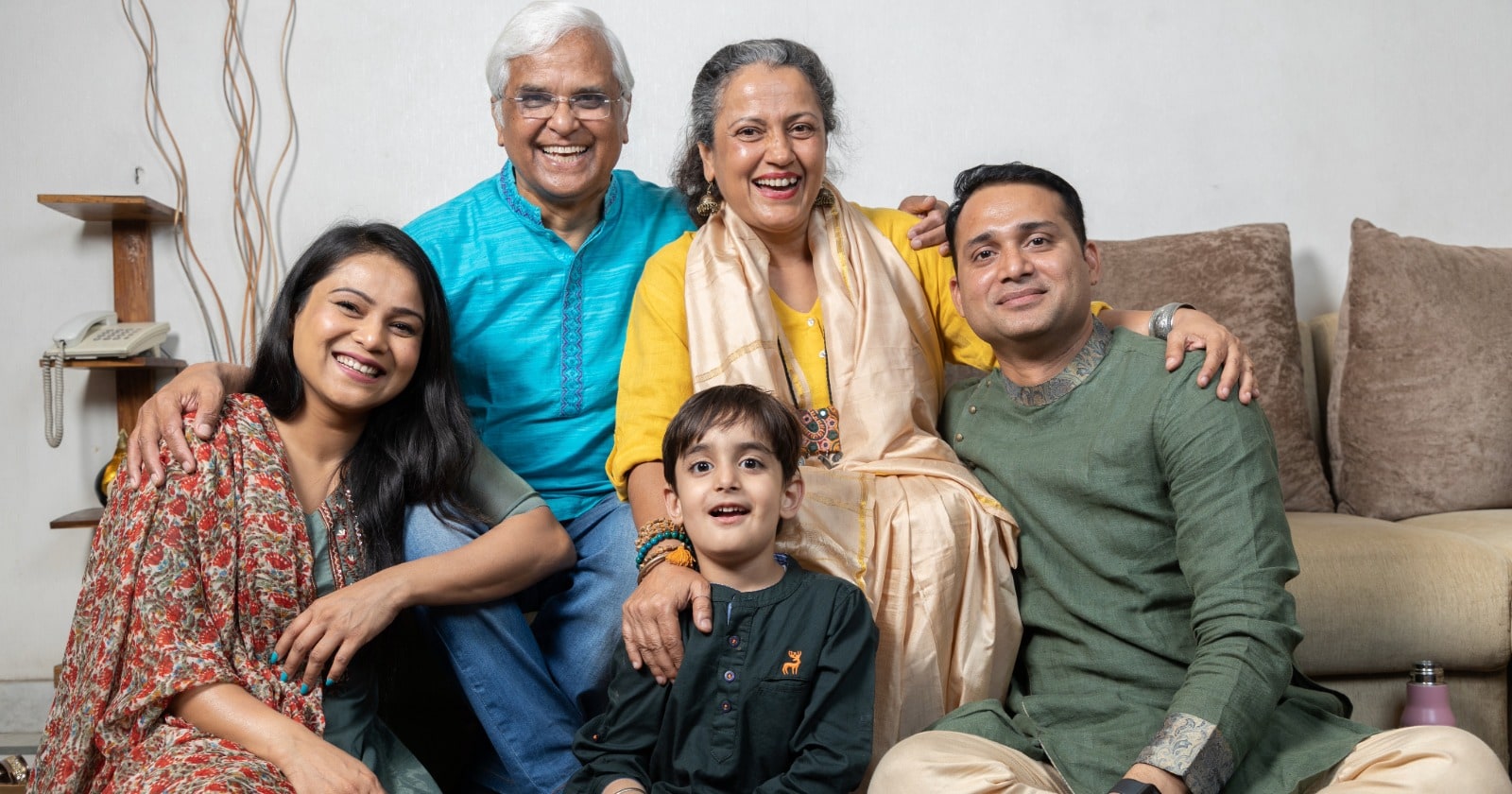
Indian Americans are one of the largest Asian origin groups in the country, with 4,625,449 people of Asian Indian origin counted nationwide. The single biggest concentration sits where you might expect, the New York metro area, home to 680,756. But the more interesting part of this map is what happens once you leave the Northeast and follow the jobs. The growth story runs through corporate offices and tech campuses, and it points squarely at Texas and California.
Largest Indian populations by metro area
| Rank | Metro area | Indian residents |
|---|---|---|
| 1 | New York, NY | 680,756 |
| 2 | Dallas, TX | 272,886 |
| 3 | San Francisco, CA | 250,359 |
| 4 | Chicago, IL | 241,703 |
| 5 | San Jose, CA | 202,245 |
| 6 | Washington, DC | 187,080 |
| 7 | Houston, TX | 161,033 |
| 8 | Los Angeles, CA | 160,419 |
Largest Indian populations by city
| Rank | City | Indian residents |
|---|---|---|
| 1 | New York, NY | 210,910 |
| 2 | San Jose, CA | 80,168 |
| 3 | Fremont, CA | 68,299 |
| 4 | Chicago, IL | 47,034 |
| 5 | Frisco, TX | 42,375 |
| 6 | Los Angeles, CA | 42,244 |
| 7 | Irving, TX | 41,284 |
| 8 | Jersey City, NJ | 36,527 |
New York leads, but Texas is the surprise in second
New York's total of 680,756 is a legacy of decades of immigration, a deep professional community, and the pull of finance, medicine, and academia. Inside the metro, the city of New York alone counts 210,910 people of Asian Indian origin, the largest of any single city in the series. Just across the Hudson, Jersey City adds another 36,527, a reminder that the New York community spills heavily into New Jersey.
The second-ranked metro is the one that tells you where things are headed. Dallas holds 272,886, ahead of both San Francisco (250,359) and Chicago (241,703). Twenty years ago that ranking would have looked strange. Today it reflects the migration of corporate headquarters, back-office operations, and IT consulting firms to North Texas, which draws heavily on Indian professional labor.
The tech corridor: San Jose, Fremont, Frisco, Irving
If you want to see concentration rather than raw size, look at the cities feeding the tech economy. San Jose as a metro holds 202,245, and the city of San Jose itself counts 80,168, the second-largest city total in the country. Next door, Fremont holds 68,299, an extraordinary figure for a city its size and one of the densest Indian American communities anywhere. These are the engineers, product managers, and founders of Silicon Valley, and the numbers show it.
Texas mirrors that pattern in its own suburbs. Frisco, a fast-growing city north of Dallas, holds 42,375, and Irving, long a hub for corporate campuses, holds 41,284. Both sit inside the Dallas metro, and both have grown around the same white-collar and technology jobs that lifted the region into second place. For comparison, Chicago counts 47,034 and Los Angeles 42,244, so the Texas suburbs are now competing directly with the country's largest cities.
New Jersey punches far above its size
At the state level, the two giants are unsurprising but the third is not. California leads with 891,775 and Texas follows with 551,305. Then comes New Jersey at 426,992, ahead of New York (370,474), Illinois (263,055), and Florida (199,343).
New Jersey's ranking is the standout. It's a small state by land and population, yet it holds more Indian Americans than New York State does. Towns in Middlesex and Hudson counties have some of the highest Indian American shares in the nation, built up over decades around pharmaceutical companies, financial services in and around New York City, and dense, established community networks that keep drawing new arrivals to the same places.
Why the map looks the way it does
Three forces shape this geography. The oldest is the Northeast anchor, New York and New Jersey, rooted in post-1965 immigration and professional recruitment into medicine, science, and finance. The second is the tech corridor of the Bay Area, where San Francisco and San Jose together hold hundreds of thousands and cities like Fremont reach remarkable densities. The third, and the newest, is Texas, where Houston (161,033) and Dallas have grown quickly as companies and workers moved south for lower costs and expanding job markets. Even Washington (187,080) and Los Angeles (160,419) fit the pattern, big metros with big professional economies.
Put together, these communities account for a national total of 4,625,449, spread unevenly but predictably: where the high-skill jobs are, the people follow.
To see the full picture, browse the complete rankings for the largest Asian Indian population metros, cities, and states. You can also line up any two places side by side with the compare tool to see how New Jersey stacks up against New York, or how Frisco compares to Fremont.
Sources
Data comes from the U.S. Census Bureau American Community Survey, tabulated for people of Asian Indian origin. See the underlying ranking pages for the largest Asian Indian population metros, largest Asian Indian population cities, and largest Asian Indian population states.
Add CensusEasy as a preferred source on Google to see our stories first.
 GENERAL
Before you move to Austin: what the census data says
Austin doubled in size since 1990 and home values jumped about 55% since 2020. Here's what the Census numbers actually show about the city, the metro, and the suburban ring before you make the move.
 GENERAL
St. Louis has lost 30% of its people since 1990, but the region around it hasn't
The city of St. Louis had 278,144 residents in 2025, down from 396,685 in 1990. The metro area grew over the same period, and nearly all the loss is inside city limits that haven't changed since 1876.
 GENERAL
Black household income rises 76% since 1967, but dollar gap with White households widens
Census figures back to 1967 show Black median household income up 76.2 percent after inflation, to $59,980. The ratio to non-Hispanic White income narrowed, but the gap in dollars grew to $36,730.
Which U.S. metro area has the most Indian Americans?
The New York metro area (new-york-ny-nj) leads with 680,756 people of Asian Indian origin, followed by Dallas at 272,886 and San Francisco at 250,359.
Which cities have the largest Indian American populations?
New York City counts 210,910, the most of any city. San Jose follows with 80,168 and Fremont with 68,299, both in California's tech corridor. Frisco (42,375) and Irving (41,284) in Texas also rank high.
Which states have the most Indian Americans?
California leads with 891,775 and Texas follows with 551,305. New Jersey ranks third at 426,992, ahead of New York State (370,474), Illinois (263,055), and Florida (199,343).