
Senator Elizabeth Warren demands Commerce explain why it dropped its ban on political interference in census data
See more of our coverage in your search results.
Senator Elizabeth Warren of Massachusetts is demanding that the Commerce Department explain why it removed language banning political interference from the scientific integrity policy that covers the Census Bureau, NPR reported Wednesday.
Warren, the top Democrat on the Senate Banking Committee, sent letters to Commerce Secretary Howard Lutnick and other officials citing NPR's reporting on the change. The Commerce Department oversees both the Census Bureau and the Bureau of Economic Analysis, which produces inflation and economic growth figures.
"Amid the Trump Administration's broader assault on the integrity of the nation's statistical system, in which you and the Department have played a key role, you owe the public a clear explanation of why the Department removed this language and how it arrived at this decision," Warren wrote to Lutnick.
The department's updated policy, dated August 19, no longer lists "protection from inappropriate influence" among the "hallmarks of scientific integrity." The revisions were not announced. They came a day after the Census Bureau released a report on noncitizen voting written by a team with ties to the America First Policy Institute, a think tank started by officials from President Trump's first administration. Data and election experts have criticized that report's claims as questionable and below the bureau's research standards, which we covered in the scrutiny of the Census Bureau's noncitizen voting report.
Warren is asking whether the Office of Management and Budget, the White House office that coordinates federal statistical agencies, was involved in removing the ban. She also asked the Federal Reserve how it is making sure the Census Bureau data it relies on is accurate. Fed spokesperson Eric Kollig said the Fed plans to respond. The letter asks for answers by October 7. The Commerce Department and OMB did not immediately respond to NPR's requests for comment.
The other changes Warren cited
Warren's letter places the policy change alongside several other moves this year that affect federal statistics:
- A ban on a privacy technique. In June, the administration barred a data-protection method the Census Bureau had used for decades. The bureau has since delayed some survey results and may cut public data on rural areas and other small populations. We covered it in the Commerce ban on noise infusion, and one consequence in the missing state data on child health coverage.
- The 2030 census proposal. This month the administration proposed leaving some noncitizens out of the count used to divide House seats and Electoral College votes, and dropping the questions that produce race and ethnicity data. Details are in the Trump administration's 2030 census proposal. The Fourteenth Amendment requires that count to include the "whole number of persons in each state," and every census since 1790 has counted noncitizens, as laid out in the census has counted noncitizens since 1790.
"That [census proposal] and other proposed changes would have sweeping implications for the quality of our economic data, the redistricting process that determines congressional representation, the Federal Reserve's monetary policy decisions that rely upon key employment statistics and [Bureau of Economic Analysis] inflation data, and our ability to enforce civil rights and other laws," Warren wrote.
How many seats are at stake under the proposal is covered in the analysis showing it could cost Texas and Florida House seats.
Sources
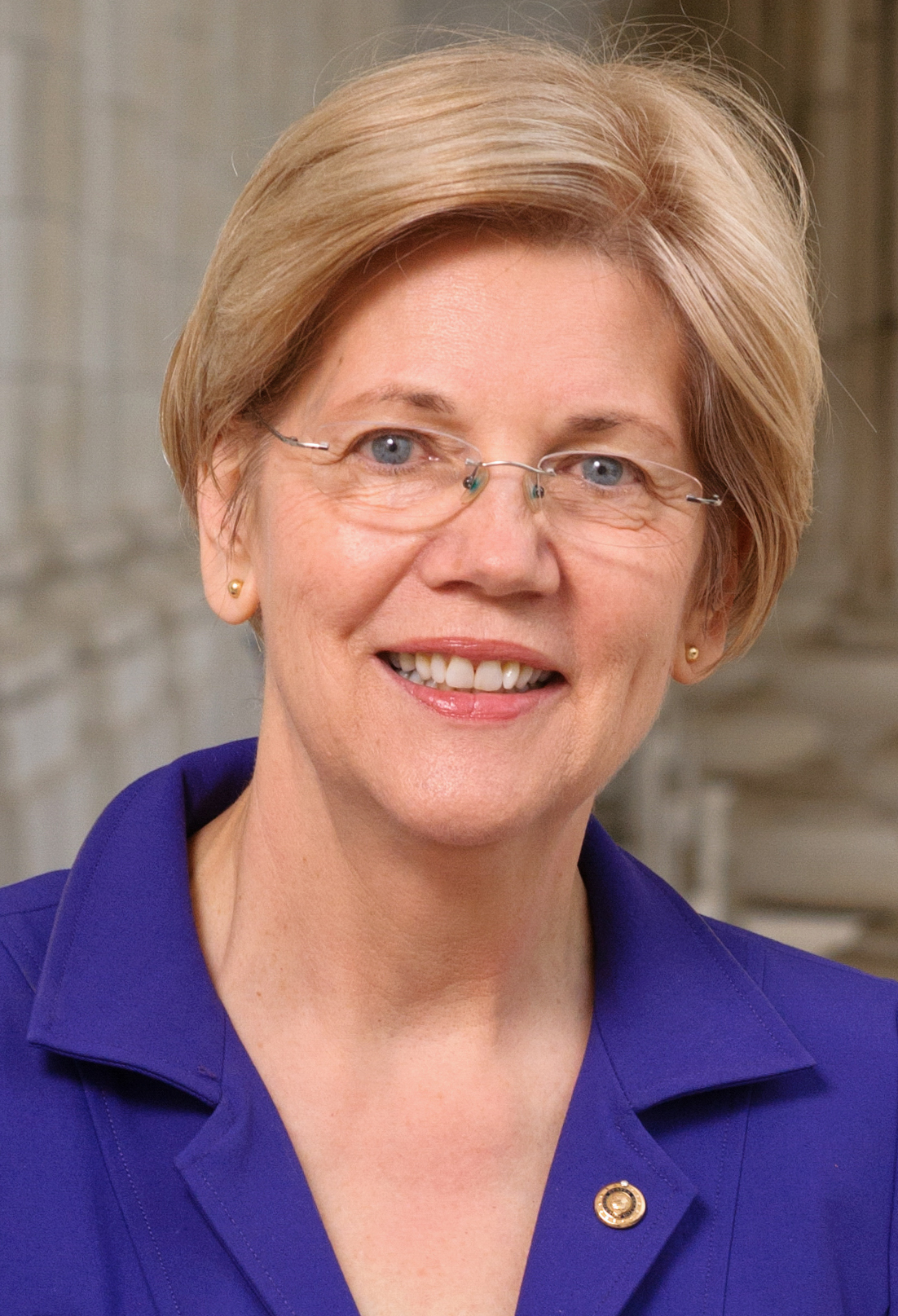
The letters, quotes, the policy change, and the responses from the Federal Reserve, Commerce Department, and OMB are from NPR's report of September 24, 2026. Background on the privacy technique ban, the noncitizen voting report, and the 2030 census proposal is from CensusEasy's earlier coverage linked above. The portrait is Warren's official Senate photograph, a work of the U.S. government in the public domain.
Add CensusEasy as a preferred source on Google to see our stories first.
 GENERAL
OpenAI agents accessed Census and SEC websites in activity the company is now reviewing
OpenAI is reviewing what it calls misaligned model activity after its agents accessed public Census Bureau and SEC data. The company says it found no use of credentials and no access to nonpublic information.
 GENERAL
Hispanic population by state: California leads, New Mexico is nearly half Hispanic
The U.S. has 64.8 million Hispanic residents, 19.3 percent of the population. California, Texas, and Florida hold more than half, and the fastest growth since 2010 has been in North Dakota and Tennessee.
 GENERAL
How the census has counted race since 1790, and the 2030 plan to stop
Every census since 1790 has recorded race, but the groups on the form have changed decade by decade. Mexican was a race for one census, people chose their own race only from 1960, and multiple races arrived in 2000.
What did the Commerce Department change in its scientific integrity policy?
Its updated policy, dated August 19, no longer lists protection from inappropriate influence among the hallmarks of scientific integrity, according to NPR. The revisions were not announced and came a day after the Census Bureau released a disputed report on noncitizen voting.
What is Elizabeth Warren asking for?
Warren, the top Democrat on the Senate Banking Committee, wants Commerce Secretary Howard Lutnick to explain why the language was removed and how the decision was made. She also asked whether the White House budget office was involved and how the Federal Reserve checks the census data it uses.
Why does political interference in census data matter?
Census Bureau and Bureau of Economic Analysis figures drive House apportionment, redistricting, federal funding, and Federal Reserve decisions on interest rates. Warren wrote that recent changes could affect economic data quality, redistricting, monetary policy, and civil rights enforcement.