How Frisco, Texas became the fastest-growing city in America
See more of our coverage in your search results.
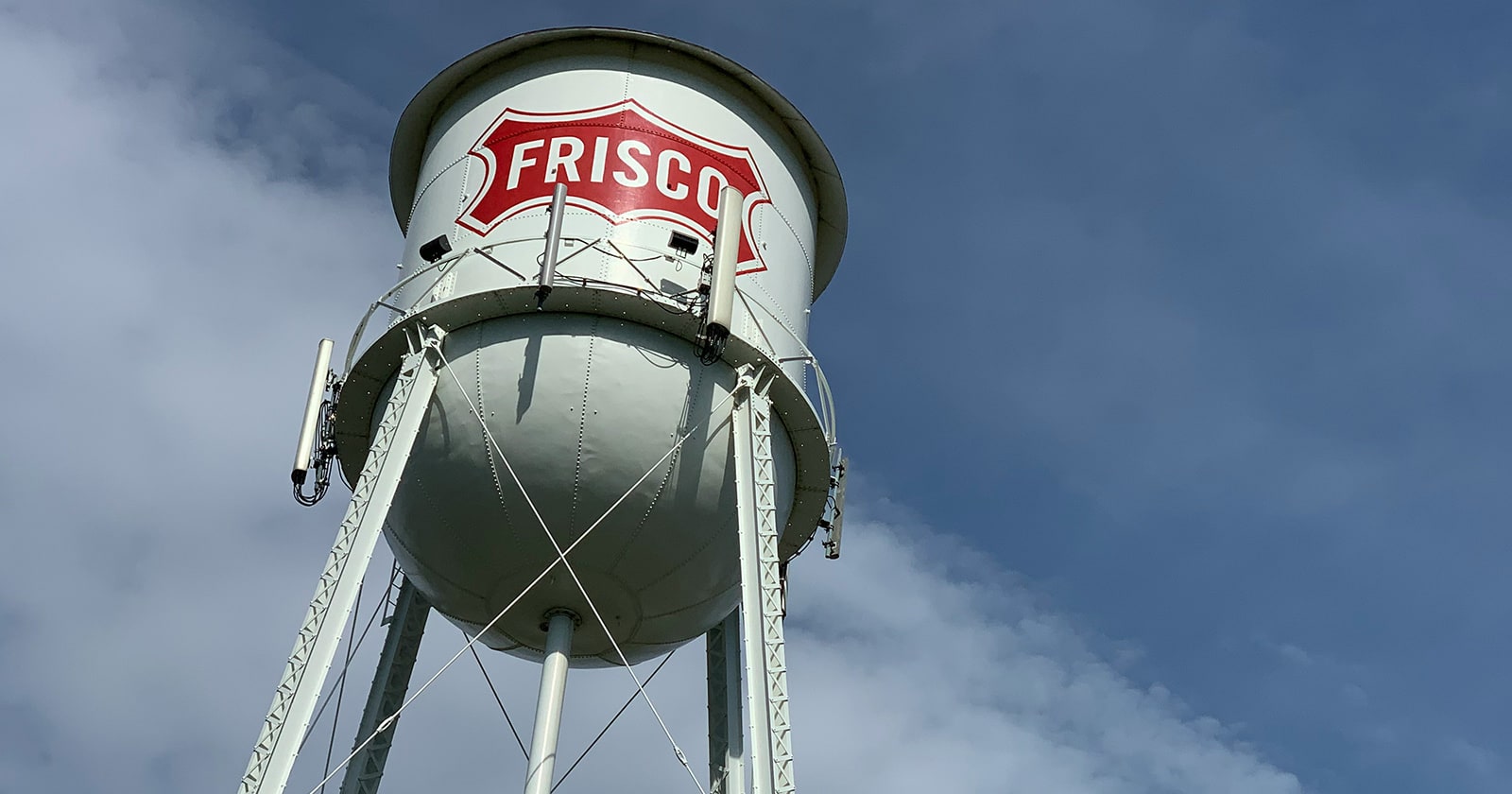
In 1990, Frisco was a small farming town north of Dallas with about 6,500 people. Thirty years later it had 200,000. By 2024 it was closing in on 235,000, and the city is still building. No city in modern American history has sustained that kind of growth for that long.
The number that stops people isn't the current population. It's the trajectory: Frisco grew more than 450% in the 1990s alone, then kept going. It was the fastest-growing city in the country from 2000 to 2009, lost the title briefly, and reclaimed it again in 2017 and 2018. Three separate decades, three different growth cycles, the same city winning the same title.
That doesn't happen by accident. And it doesn't happen for one reason either.
The tollway as time machine
The single most important piece of infrastructure in Frisco's story isn't a stadium or a corporate campus. It's a road. The Dallas North Tollway runs like a spine through the city, connecting Frisco directly to Plano, then to the Legacy Business District, then to downtown Dallas. Drive it end to end and you pass the Dallas Cowboys' training facility, the PGA of America's headquarters, Hall Park's 2.2 million square feet of office space, and enough new construction to keep a fleet of surveyors busy for the next decade.
Frisco sits about 25 miles north of Dallas. In the late 1990s, Plano's northern edge was filling up. Developers looked past Plano's city limits and saw a lot of cheap land, a growing highway system, and a small town that hadn't figured out yet what it was about to become. The suburban tide that had been building south of Frisco for a decade spilled north across the city line almost overnight. From 33,000 people in 2000 to 117,000 by 2010. That's 84,000 people in ten years, an average of more than 8,000 new residents every year for a decade straight.
The schools drove it
People move to suburbs for a lot of reasons. The main one, for families, is usually schools. Frisco Independent School District became one of the anchors of the city's appeal, graduating around 95% of its students in four years and consistently producing among the highest numbers of National Merit Scholars in Texas. In 2025, 66 FISD students were named National Merit Scholars, with 36 earning college-sponsored scholarships, the most of any district in the state.
That kind of school performance functions as a magnet for a specific kind of household: dual-income, college-educated, willing to pay more for a house if the schools justify it. Those households came. Frisco's median household income reached roughly $145,000 by 2024, up from $79,000 in 2000. The median home value crossed $735,000. These aren't stats from a wealthy enclave or a resort town. This is a suburb that got very rich very fast by attracting the right demographic and then giving them reasons to stay.
Sports made it a brand
At some point in the 2010s, Frisco stopped being just a suburb and started being a destination. The Dallas Cowboys built their world headquarters and practice facility at The Star in Frisco. The Dallas Stars practice there too. FC Dallas plays at Toyota Stadium. The Frisco RoughRiders, the Double-A affiliate of the Texas Rangers, have a stadium there. The National Soccer Hall of Fame is there. Frisco calls itself Sports City USA and it's not really a stretch.
The PGA of America finished the story. In 2018 the organization announced it was leaving Palm Beach Gardens, Florida, where it had been based for sixty years, and relocating to Frisco. The $550 million campus opened in 2022, anchoring a 660-acre development in north Frisco that includes two championship golf courses, the Omni PGA Frisco Resort, and a district built around golf entertainment. Frisco's demographic profile shifted in the years around these openings in ways that are visible in the Census data: the city got younger in relative terms, more educated, and significantly more wealthy as executives and professionals followed the employers north.
The Omni PGA Frisco Resort alone, in its first year, hosted 52 events that generated a $49.4 million ripple effect in local spending. Another 39 groups had booked through 2028 before the campus had even completed its first full season. That kind of economic gravity pulls retail, restaurants, and more corporate tenants behind it.
What the demographic shift actually looks like
The raw population numbers are striking, but the composition of Frisco's growth is what makes it unusual. Most fast-growing Sun Belt cities have grown by pulling in retirees, blue-collar workers, and young people priced out of coastal cities. Frisco pulled in something different: a highly educated, high-earning professional class, and a substantial Asian immigrant population that made it demographically unlike almost any other Texas city.
By 2024, roughly 21% of Frisco's residents were Asian, the largest minority in the city and one of the highest concentrations in Texas. The Indian-American community in particular is large enough that Collin County, where most of Frisco sits, has one of the highest concentrations of Indian-born residents in the state. That community grew alongside the tech and finance employers that set up in the DFW corridor, and Frisco became a natural landing point.
Poverty sits at 3.4%. For context, the national poverty rate is around 12%. Frisco's is a quarter of that. The city is not without its tensions around affordability and access, but in terms of raw economic indicators it's about as prosperous as any fast-growth city in America.
The counterintuitive part: it didn't happen because of Dallas
Here's what most coverage of Frisco gets slightly wrong. The city is often framed as a Dallas success story, a suburb that rode the coattails of a booming metro. That's true in the 1990s. The initial wave of growth was overflow from Plano and the Dallas metro machine.
But by the 2010s, Frisco had become a destination in its own right. Companies weren't choosing Frisco because it was near Dallas. They were choosing Frisco because it offered land, a pro-business city government willing to structure creative public-private partnerships, a wealthy and educated talent pool already in place, and a quality-of-life pitch that downtown Dallas couldn't match for families.
The Cowboys didn't build at The Star because it was near Dallas. They built there because Frisco gave them 91 acres of land and structured a deal the city of Dallas couldn't or wouldn't match. The PGA didn't choose Frisco for proximity to a major airport. They looked at Charlotte, Atlanta, and Phoenix before choosing Frisco because the city put 650 acres on the table and structured a 20-year property tax abatement worth $90 million. You don't get that in a mature urban core. You get it from a city with land to deploy and a long-term vision for what it wants to become.
Where it goes from here
Frisco still has room to build. The Fields development at US 380 and Preston Road covers 2,544 acres and is still largely under construction. FireFly Park will add 5 million square feet of office space at the Dallas North Tollway and US 380 intersection. A Universal Kids Resort theme park is planned. The city annexed aggressively over the decades and now covers 69 square miles, leaving territory to absorb more growth.
The pace has slowed from its peak. Growing at 8% annually when you're at 70,000 people is a different animal than growing at 3% when you're at 230,000. The city added roughly 6,000 people per year between 2021 and 2023, which is still a lot, but not the 12,000-per-year clip of the 2000s decade.
What doesn't slow down is the infrastructure build-out. The investments coming online in north Frisco over the next five years, from the PGA halo developments to the mixed-use projects near the tollway, were planned during the growth peak and will continue arriving regardless of where the annual growth rate settles. That's what makes Frisco structurally different from a city that just happened to be in the right place at the right time. It built things that give the next wave of residents a reason to come.
The Census data captures population counts. What it doesn't capture is momentum. Frisco has a lot of it.
Add CensusEasy as a preferred source on Google to see our stories first.
 BOOMTOWNS
The Fastest-Growing Counties in Texas, 2024 to 2025
Texas added 391,243 residents in a single year. Harris County led in raw numbers, but the fastest growth was in the exurban collar counties, with Kaufman County landing near the top of both the numeric and percentage rankings.
 BOOMTOWNS
Houston Overtakes Dallas as America's Fastest-Growing Metro
The Houston metro added 126,720 people from 2024 to 2025, the most of any U.S. metro area and just ahead of Dallas-Fort Worth, according to new Census Bureau estimates.
 BOOMTOWNS
Atlanta vs. Charlotte: The Southeast's Two Biggest Growth Stories
Atlanta and Charlotte are the two cities that defined the Southeast's rise as an economic region over the past 35 years. Both started the 1990s as mid-sized Southern cities with regional profiles and have grown into nationally significant metros with Fortune 500 headquarters, major financial sectors, and...
Why did Frisco become one of America's fastest-growing cities?
Major infrastructure expansion, strong schools, corporate relocations, and large-scale development projects fueled Frisco's explosive growth.
How important was the Dallas North Tollway to Frisco's growth?
Extremely important. The tollway connected Frisco directly to major employment centers and accelerated suburban expansion northward.
Why do so many affluent families move to Frisco?
Highly rated schools, newer housing, strong job access, and family-oriented development attract high-income professional households.