Where Do the Most Salvadoran Americans Live?
See more of our coverage in your search results.
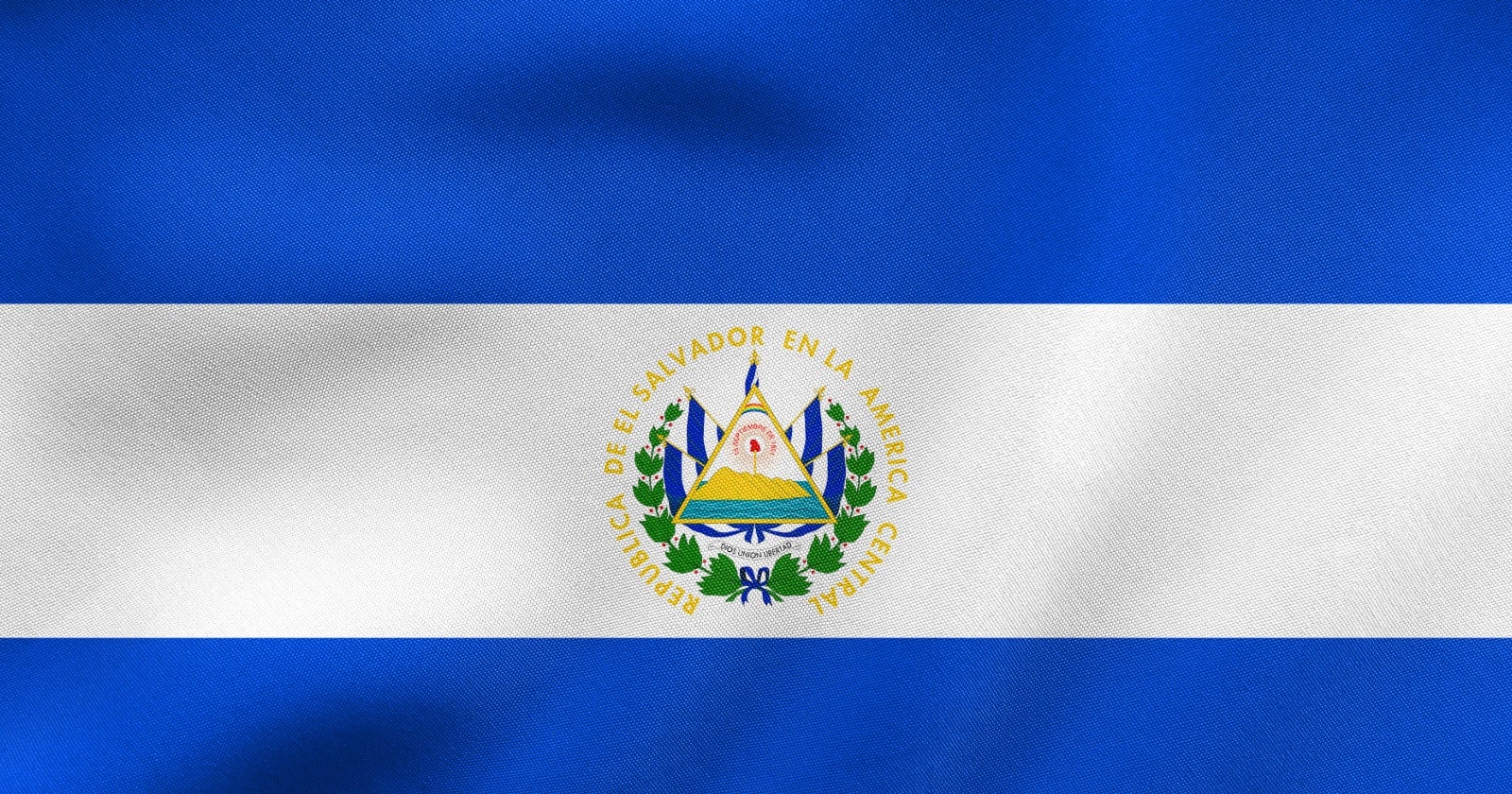
Salvadorans are the largest Central American group in the United States and the third-largest Hispanic origin group overall, behind only Mexicans and Puerto Ricans. The U.S. Census Bureau counts 2,583,416 people of Salvadoran origin. Their map is a product of the civil war of the 1980s, which sent hundreds of thousands north, and it has one feature no other large Latino group shares: a massive concentration in the Washington, DC area.
Largest Salvadoran populations by state
| Rank | State | Salvadoran residents |
|---|---|---|
| 1 | California | 785,206 |
| 2 | Texas | 377,336 |
| 3 | Maryland | 219,307 |
| 4 | New York | 208,718 |
| 5 | Virginia | 187,301 |
| 6 | New Jersey | 88,450 |
| 7 | Florida | 88,245 |
| 8 | Massachusetts | 77,108 |
California leads, but Washington is the surprise
California holds the most Salvadorans of any state at 785,206, anchored by Los Angeles, which at 484,716 is the single largest Salvadoran community in the country. The city of Los Angeles alone counts 264,914, and neighborhoods like Pico-Union have been the Salvadoran heart of the mainland for decades.
The genuine surprise is the Washington, DC metro. With 342,793 Salvadorans, the Washington area is the second-largest Salvadoran metro in the nation, and it is why Maryland and Virginia both crack the top five states. Salvadorans are the largest Hispanic group in the DC region, an unusual distinction driven by refugee resettlement patterns in the 1980s that turned suburbs like those in Prince George's and Fairfax counties into major Salvadoran centers.
Largest Salvadoran populations by metro area
| Rank | Metro area | Salvadoran residents |
|---|---|---|
| 1 | Los Angeles, CA | 484,716 |
| 2 | Washington, DC | 342,793 |
| 3 | New York, NY | 278,530 |
| 4 | Houston, TX | 218,960 |
| 5 | Dallas, TX | 106,876 |
| 6 | San Francisco, CA | 95,503 |
| 7 | Riverside, CA | 75,392 |
| 8 | Boston, MA | 64,568 |
Texas and the Northeast fill out the map
Texas is the second-largest state at 377,336, split between Houston (218,960) and Dallas (106,876). The city of Houston counts 96,778 and the Dallas suburb of Irving another 23,553. In the Northeast, the New York metro holds 278,530 and Boston 64,568, both long-standing destinations. Newer growth shows up in the Southeast, where Charlotte now counts 15,739.
Reading the concentration
The Salvadoran map is a refugee map. The civil war of 1979 to 1992 drove a concentrated exodus, and chain migration reinforced the places that first received it, which is why a mid-Atlantic metro built on government rather than agriculture became one of the two great Salvadoran centers. It is a distribution shaped by a single historical rupture, much like the Cuban American map, and very different from the broader spread of the Mexican American population.
To see the full ordering, compare the largest Salvadoran population metros, the largest Salvadoran population cities, and the largest Salvadoran population states, or read the fuller profile on the Salvadoran Americans origin page.
Sources
Population figures are for Salvadoran origin from the U.S. Census Bureau American Community Survey. Rankings referenced: largest Salvadoran population metros, largest Salvadoran population cities, and largest Salvadoran population states.
Add CensusEasy as a preferred source on Google to see our stories first.
 GENERAL
Black household income rises 76% since 1967, but dollar gap with White households widens
Census figures back to 1967 show Black median household income up 76.2 percent after inflation, to $59,980. The ratio to non-Hispanic White income narrowed, but the gap in dollars grew to $36,730.
 GENERAL
These U.S. counties have the highest housing vacancy rates, but they're not abandoned
Sixty-one percent of housing in Summit County, Colorado is vacant. That's Breckenridge, not a ghost town. Every county at the top of the vacancy list is a vacation destination.
 GENERAL
The area codes with the most people
Hawaii's 808 is the most populous area code covering a whole state, with 1.43 million residents. Arizona averages 1.5 million people per code. Here is every state's area codes and residents per code.
How many Salvadoran Americans live in the United States?
The U.S. Census Bureau counts 2,583,416 people of Salvadoran origin, the largest Central American group in the country. California has the most with 785,206, followed by Texas at 377,336.
Which metro area has the most Salvadorans?
Los Angeles has the most with 484,716, but the Washington, DC metro is second at 342,793, where Salvadorans are the largest Hispanic group. The New York metro (278,530) and Houston (218,960) follow.
Why do so many Salvadorans live in the Washington, DC area?
It traces to refugee migration during and after El Salvador's civil war from 1979 to 1992. Resettlement patterns turned DC-area suburbs in Maryland and Virginia into major Salvadoran centers, and chain migration reinforced them, making the region the second-largest Salvadoran hub in the country.